
Heeft u zich ooit afgevraagd hoe printers zulke scherpe en levendige afbeeldingen maken? Het geheim schuilt in een onderdeel dat de meeste mensen over het hoofd zien: de drukdeken. Als u de structuur ervan begrijpt, kunt u een betere printkwaliteit en efficiëntie voor uw projecten realiseren.
Een drukdoek bestaat uit meerdere lagen, waaronder een rubberen bovenoppervlak, samendrukbare lagen en een stoffen achterkant, die samenwerken om de inkt nauwkeurig van de plaat naar het substraat over te brengen.
I remember the first time I delved into the mechanics of a printing press. The complexity of the printing blanket fascinated me. It wasn't just a piece of rubber but a finely engineered tool essential for high-quality prints.
Wat zijn de belangrijkste lagen van een drukdeken?
Choosing the right printing blanket can be overwhelming if you don't know what's inside. So, what are the main layers that make up a printing blanket?
The main layers of a printing blanket are the top rubber surface, one or more compressible layers, and a fabric backing, each contributing to the blanket's performance in ink transfer and durability.
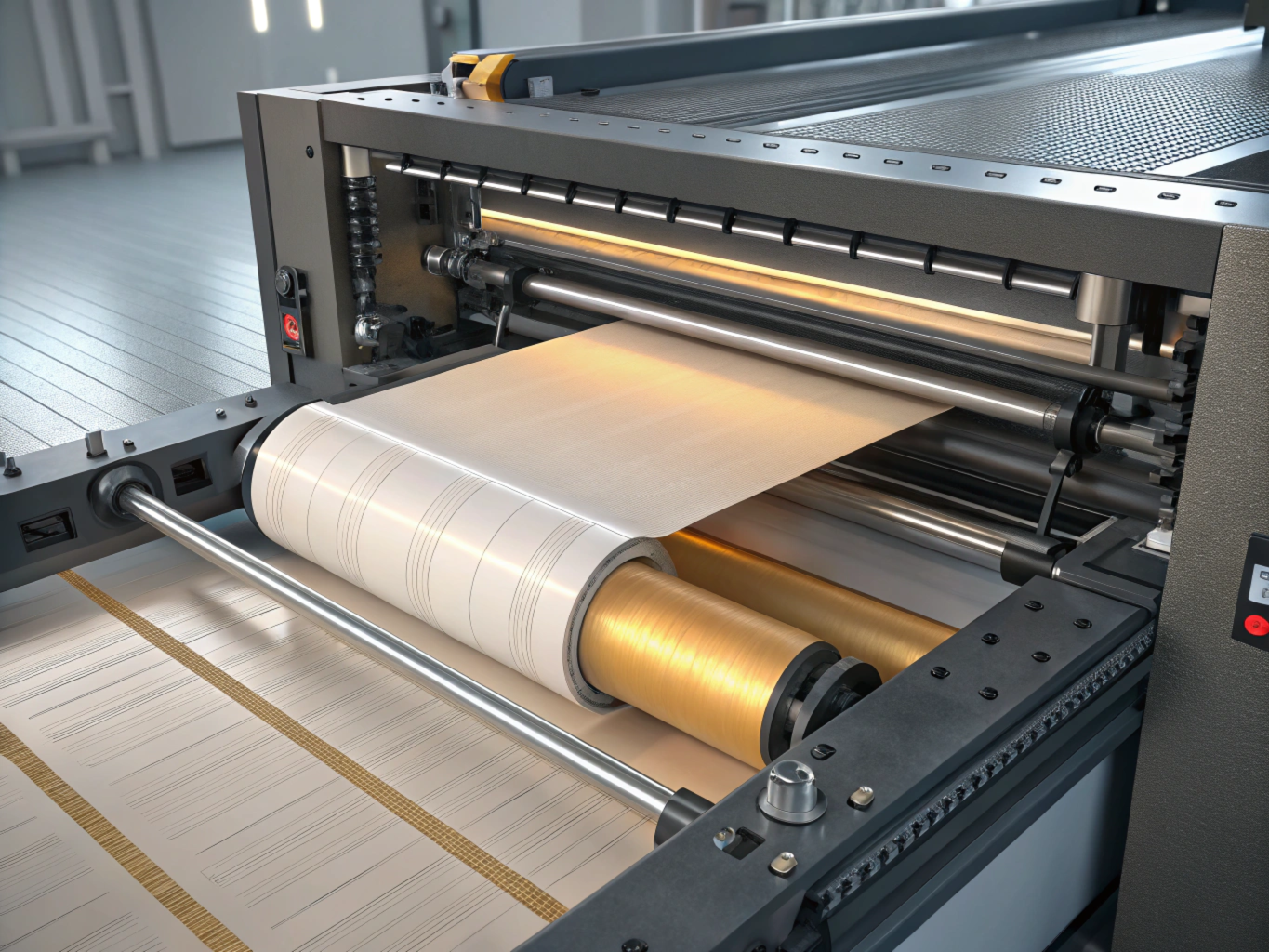
Top Rubber Surface
This is the layer that comes into direct contact with the ink and substrate.
- Materiaal: Usually made of synthetic rubber.
- Function: Transfers the ink from the plate to the paper.
- Characteristics: Its smoothness and hardness affect print quality.
Compressible Layer(s)
Located beneath the top surface, these layers absorb pressure variations.
- Materiaal: Comprised of micro-cells or foam.
- Function: Compensates for substrate thickness differences.
- Benefit: Reduces dot gain and improves image sharpness.
Fabric Backing
The foundation that supports the entire structure.
- Materiaal: Woven fabric like cotton or polyester.
- Function: Provides stability and strength.
- Duurzaamheid: Enhances the blanket's lifespan.
Table: Overview of Printing Blanket Layers
| Laag | Materiaal | Function |
|---|---|---|
| Top Rubber Surface | Synthetic Rubber | Ink transfer to substrate |
| Samendrukbare laag | Foam or Micro-cells | Absorb pressure variations |
| Fabric Backing | Cotton/Polyester | Structural support and durability |
Persoonlijk inzicht
When I upgraded to a blanket with a superior compressible layer, the difference was immediate. The prints were crisper, and the colors more vibrant. It taught me that understanding each layer's role can significantly impact print quality.
Hoe beïnvloeden de eigenschappen van het dekenoppervlak de afdrukkwaliteit?
The surface of the blanket isn't just a piece of rubber; it's a critical component that influences the final print. So, how do its properties affect print quality?
The properties of the blanket surface—such as smoothness, hardness, and ink compatibility—directly impact ink transfer efficiency, dot reproduction, and overall image clarity.
Gladheid van het oppervlak
A smoother surface ensures better contact with the substrate.
- Improved Ink Transfer: Enhances image sharpness.
- Consistent Quality: Reduces imperfections.
- Less Wear: Minimizes abrasion on the substrate.
Surface Hardness
Measured in Shore A units, hardness affects how the blanket interacts with the substrate.
- Zachte dekens: Better for uneven or textured materials.
- Harde dekens: Ideal for fine details on smooth substrates.
- Adjustments: Requires tweaking press settings for optimal results.
Compatibiliteit van inkt
The blanket must be compatible with the types of ink used.
- Oil-Based Inks: Standard rubber surfaces suffice.
- UV Inks: Require specialized surfaces resistant to UV light.
- Hybrid Inks: Need versatile blankets that can handle multiple ink types.
H3: The Role of Surface Texture
Some blankets feature micro-textured surfaces.
- Benefit: Improves ink distribution.
- Application: Useful for high-speed printing.
- Consideration: May affect durability.
Mijn ervaring
Switching to a blanket designed for UV inks transformed our print quality. The images were sharper, and the colors more vibrant. It reinforced the importance of matching the blanket surface properties to the specific printing requirements.
Hoe kiest u het juiste type deken voor uw specifieke printbehoeften?
With so many options available, selecting the right blanket can feel overwhelming. How do you make the best choice for your specific needs?
Choosing the right printing blanket involves considering factors like printing process, substrate type, ink used, and desired print quality to ensure compatibility and optimal performance.
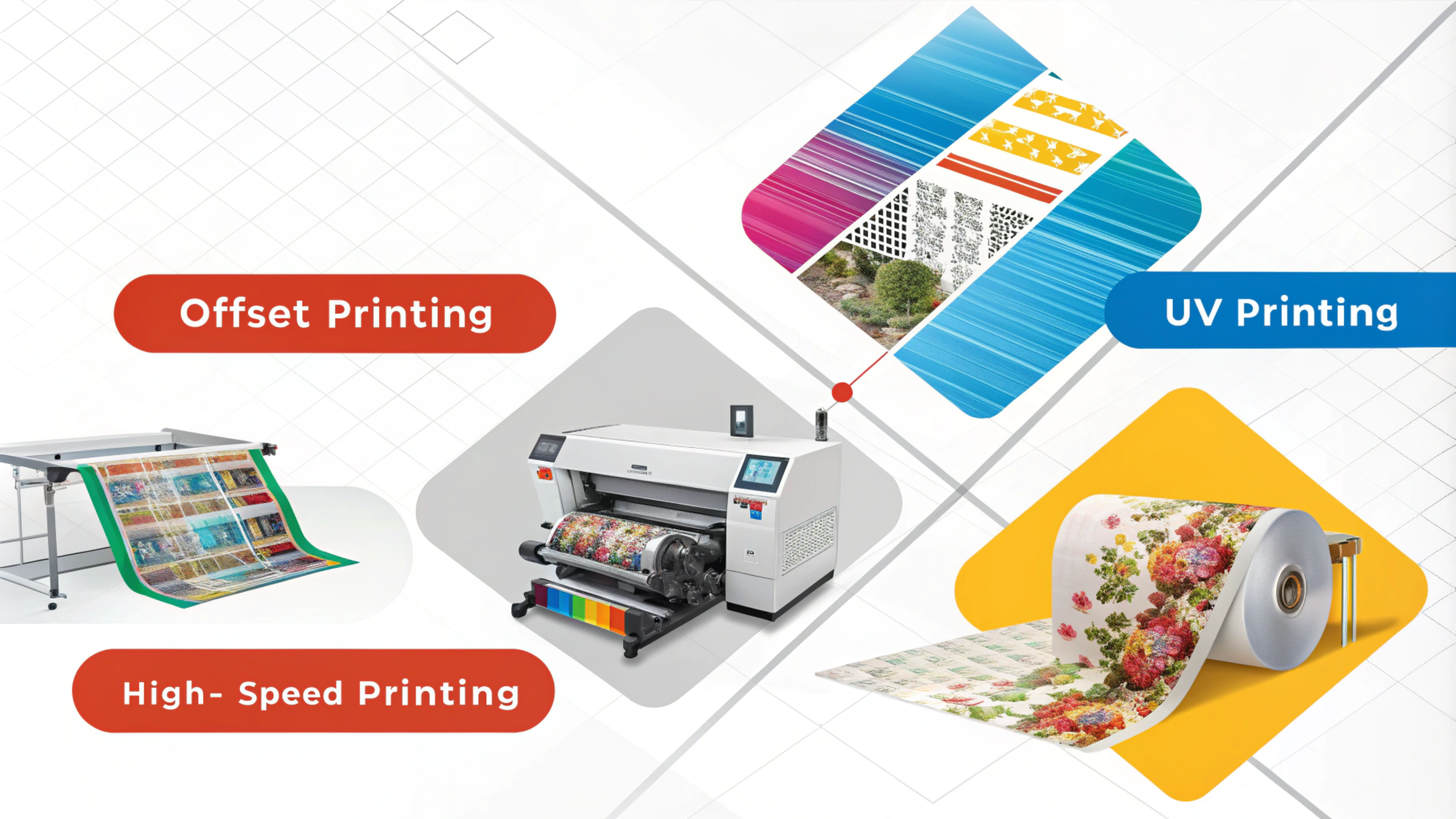
Identify Your Printing Process
Different processes require different blanket characteristics.
- Offsetdruk: Standard blankets with good compressibility.
- UV-afdrukken: Blankets resistant to UV light and chemicals.
- High-Speed Printing: Blankets with quick ink-release properties.
Consider the Substrate
The material you're printing on affects blanket selection.
- Papier: Most general-purpose blankets work well.
- Plastic or Metal: May require softer blankets for better contact.
- Textured Materials: Need blankets with excellent conformability.
Evaluate Ink Type
Ink compatibility is crucial.
- Oil-Based Inks: Standard blankets are sufficient.
- UV Inks: Require specialized blankets.
- Soy-Based Inks: Ensure the blanket material doesn't react adversely.
Assess Desired Print Quality
Your quality expectations influence the choice.
- High-Resolution Images: Need blankets with smooth surfaces.
- Solid Colors: May benefit from blankets with uniform hardness.
- Special Effects: Metallic inks or varnishes may require specific blankets.
Table: Factors in Selecting a Printing Blanket
| Factor | Overwegingen |
|---|---|
| Printing Process | Offset, UV, High-Speed |
| Substrate Type | Paper, Plastic, Metal, Textured |
| Inkttype | Oil-Based, UV, Soy-Based |
| Print Quality | Resolution, Color Consistency |
Personal Recommendation
I always consult with suppliers, providing details about my projects. Their expertise helps me choose blankets that match my specific needs, saving time and reducing trial-and-error.
Welke factoren beïnvloeden de duurzaamheid en levensduur van een deken?
Understanding what affects a blanket's lifespan can save you money and downtime. So, what factors play a role in its durability?
Factors like printing pressure, chemical exposure, cleaning practices, and environmental conditions significantly affect the durability and lifespan of a printing blanket.
Printing Pressure
Excessive pressure can cause premature wear.
- Optimal Settings: Adjust pressure based on substrate and blanket type.
- Avoid Overpacking: Too much packing increases stress.
- Regular Monitoring: Check for signs of compression set.
Chemical Exposure
Inks and cleaning agents can degrade the blanket.
- Aggressive Inks: UV and solvent-based inks may require resistant materials.
- Cleaning Solvents: Use products compatible with the blanket material.
- Residue Build-Up: Regular cleaning prevents chemical degradation.
Cleaning Practices
Proper maintenance extends blanket life.
- Gentle Cleaning: Use soft cloths and appropriate solvents.
- Avoid Abrasives: Harsh materials can damage the surface.
- Scheduled Maintenance: Routine checks and cleaning keep the blanket in top condition.
Environmental Conditions
The surrounding environment impacts the blanket.
- Temperatuur: Extreme heat or cold can affect elasticity.
- Humidity: Moisture can weaken the fabric backing.
- Dust and Debris: Keep the press area clean to avoid contamination.
H3: Signs Your Blanket Needs Replacement
- Cracks or Tears: Physical damage is a clear indicator.
- Loss of Compressibility: Affects print quality.
- Surface Glazing: Ink no longer adheres properly.
My Lessons Learned
Ignoring the manufacturer's guidelines on cleaning agents once led to a shortened blanket lifespan. Sticking to recommended practices now helps me get the most out of each blanket.
Wat zijn de belangrijkste stappen tijdens installatie en onderhoud om optimale prestaties van de deken te garanderen?
Even the best blanket won't perform well if not installed correctly. What steps should you follow to ensure optimal performance?
De belangrijkste stappen zijn onder meer de juiste installatie met de juiste spanning en uitlijning, regelmatige reiniging met geschikte oplosmiddelen en routine-inspecties om slijtage vroegtijdig te detecteren en optimale dekenprestaties te behouden.
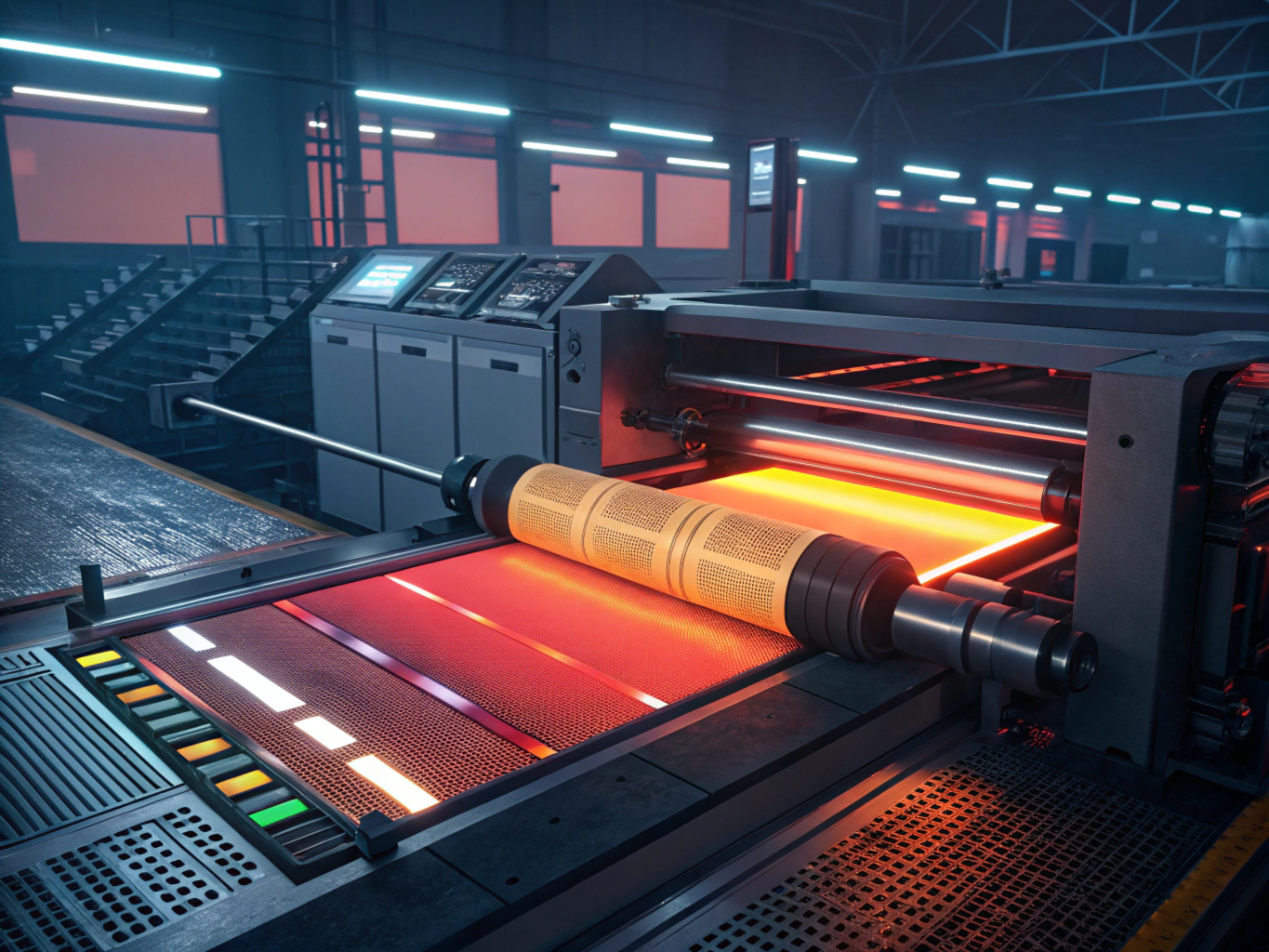
Installatiestappen
Inspecteer vóór installatie
- Controleer op defecten: Controleer op eventuele fabricagefouten.
- Controleer de afmetingen: Zorg ervoor dat het voldoet aan uw persspecificaties.
Correcte montage
- Uitlijning: Plaats de deken correct op de cilinder.
- Spannen: Oefen een gelijkmatige spanning uit om wegglijden te voorkomen.
- Vermijd overstrekking: Te hoge spanning kan schade veroorzaken.
Verpakking en onderlaag
- Gebruik geschikte materialen: Zorg voor een gelijkmatige drukverdeling.
- Pas de dikte aan: Pas de dekenhoogte aan de eisen van de pers aan.
Onderhoudspraktijken
Regelmatige schoonmaak
- Na elke run: Verwijder inkt en vuil.
- Gebruik aanbevolen oplosmiddelen: Voorkom chemische schade.
- Droog goed: Vocht kan de deken aantasten.
Routinematige inspecties
- Visuele controles: Let op tekenen van slijtage of schade.
- Meet de samendrukbaarheid: prestatieverlies vroegtijdig detecteren.
- Registratie bijhouden: Volg het gebruik en onderhoud van de deken.
Richtlijnen voor opslag
- Goede opslag: Houd reservedekens plat of opgerold zoals geadviseerd.
- Milieucontrole: Op een koele, droge plaats bewaren, uit de buurt van zonlicht.
H3: Veelvoorkomende fouten die u moet vermijden
- Verkeerde spanning: Leidt tot ongelijkmatige afdrukken en snellere slijtage.
- Gebruik van verkeerde schoonmaakmiddelen: Kan het dekenmateriaal aantasten.
- Het verwaarlozen van routinecontroles: Kleine problemen kunnen escaleren als ze niet worden opgemerkt.
Mijn beste praktijken
Ik heb een onderhoudsschema geïmplementeerd waarin alle teamleden zijn opgenomen. Regelmatige training zorgt ervoor dat iedereen de juiste procedures kent, waardoor onze printkwaliteit is verbeterd en de levensduur van de deken is verlengd.
Conclusie
Het begrijpen van de structuur van een drukdeken en de factoren die de prestaties ervan beïnvloeden, is van cruciaal belang voor iedereen die betrokken is bij de drukindustrie. Van het selecteren van het juiste type tot de juiste installatie en onderhoud: elke stap speelt een belangrijke rol bij het bereiken van optimale resultaten. Door op deze details te letten, kunt u de printkwaliteit verbeteren, de levensduur van uw dekens verlengen en uiteindelijk uw bedrijfsresultaten verbeteren.