
Have you ever wondered how printers achieve such sharp and vibrant images? The secret lies in a component most people overlook: the printing blanket. Understanding its structure can unlock better print quality and efficiency for your projects.
A printing blanket is composed of multiple layers—including a top rubber surface, compressible layers, and a fabric backing—that work together to transfer ink accurately from the plate to the substrate.
I remember the first time I delved into the mechanics of a printing press. The complexity of the printing blanket fascinated me. It wasn't just a piece of rubber but a finely engineered tool essential for high-quality prints.
What Are the Main Layers of a Printing Blanket?
Choosing the right printing blanket can be overwhelming if you don't know what's inside. So, what are the main layers that make up a printing blanket?
The main layers of a printing blanket are the top rubber surface, one or more compressible layers, and a fabric backing, each contributing to the blanket's performance in ink transfer and durability.
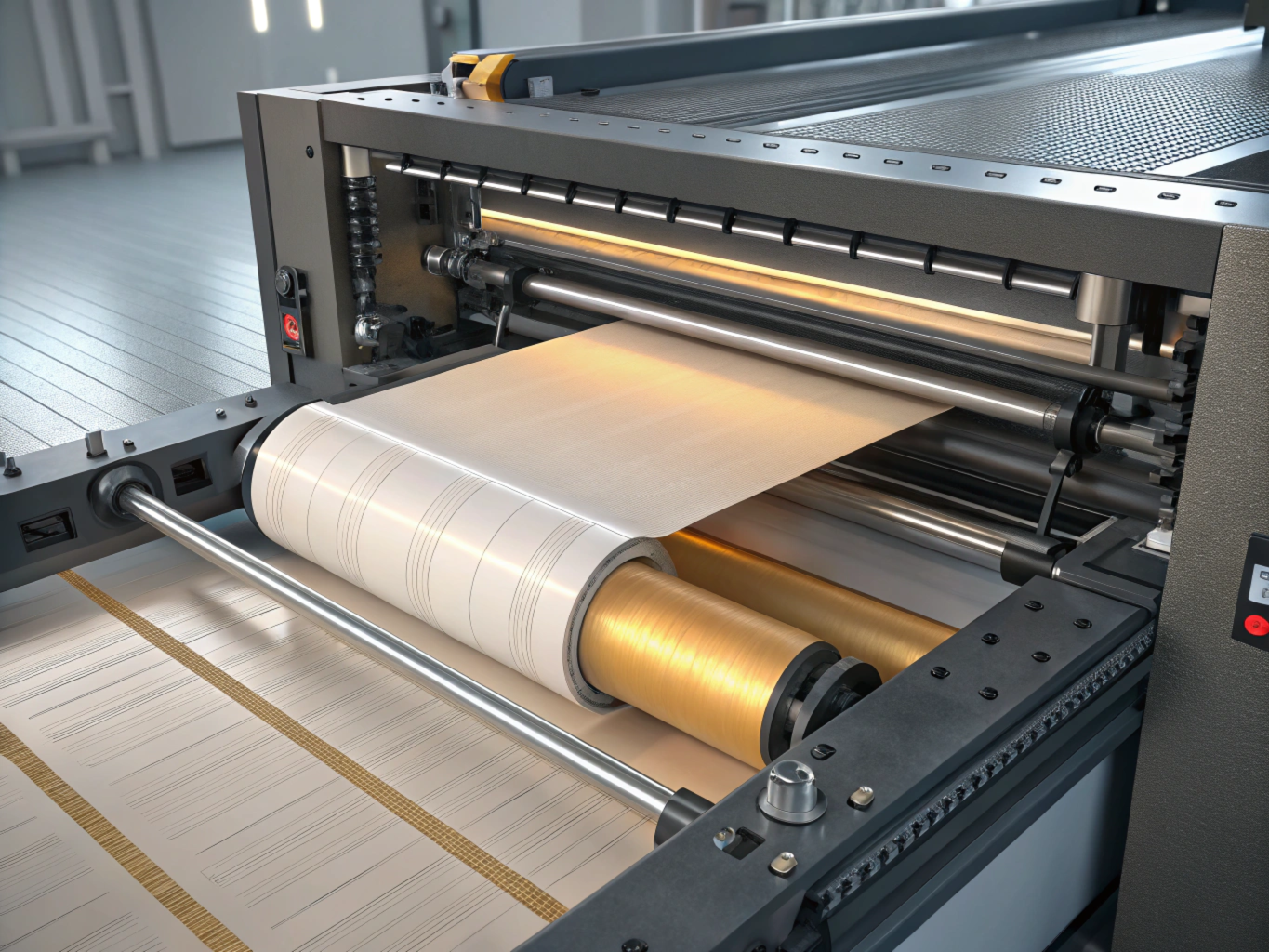
Top Rubber Surface
This is the layer that comes into direct contact with the ink and substrate.
- Material: Usually made of synthetic rubber.
- Function: Transfers the ink from the plate to the paper.
- Characteristics: Its smoothness and hardness affect print quality.
Compressible Layer(s)
Located beneath the top surface, these layers absorb pressure variations.
- Material: Comprised of micro-cells or foam.
- Function: Compensates for substrate thickness differences.
- Benefit: Reduces dot gain and improves image sharpness.
Fabric Backing
The foundation that supports the entire structure.
- Material: Woven fabric like cotton or polyester.
- Function: Provides stability and strength.
- Durability: Enhances the blanket's lifespan.
Table: Overview of Printing Blanket Layers
| Schicht | Material | Function |
|---|---|---|
| Top Rubber Surface | Synthetic Rubber | Ink transfer to substrate |
| Compressible Layer | Foam or Micro-cells | Absorb pressure variations |
| Fabric Backing | Cotton/Polyester | Structural support and durability |
Persönlicher Einblick
When I upgraded to a blanket with a superior compressible layer, the difference was immediate. The prints were crisper, and the colors more vibrant. It taught me that understanding each layer's role can significantly impact print quality.
How Do the Properties of the Blanket Surface Affect the Quality of Printing?
The surface of the blanket isn't just a piece of rubber; it's a critical component that influences the final print. So, how do its properties affect print quality?
The properties of the blanket surface—such as smoothness, hardness, and ink compatibility—directly impact ink transfer efficiency, dot reproduction, and overall image clarity.
Surface Smoothness
A smoother surface ensures better contact with the substrate.
- Improved Ink Transfer: Enhances image sharpness.
- Consistent Quality: Reduces imperfections.
- Less Wear: Minimizes abrasion on the substrate.
Surface Hardness
Measured in Shore A units, hardness affects how the blanket interacts with the substrate.
- Soft Blankets: Better for uneven or textured materials.
- Hard Blankets: Ideal for fine details on smooth substrates.
- Adjustments: Requires tweaking press settings for optimal results.
Ink Compatibility
The blanket must be compatible with the types of ink used.
- Oil-Based Inks: Standard rubber surfaces suffice.
- UV Inks: Require specialized surfaces resistant to UV light.
- Hybrid Inks: Need versatile blankets that can handle multiple ink types.
H3: The Role of Surface Texture
Some blankets feature micro-textured surfaces.
- Benefit: Improves ink distribution.
- Application: Useful for high-speed printing.
- Consideration: May affect durability.
Meine Erfahrung
Switching to a blanket designed for UV inks transformed our print quality. The images were sharper, and the colors more vibrant. It reinforced the importance of matching the blanket surface properties to the specific printing requirements.
How Do You Choose the Right Type of Blanket for Your Specific Printing Needs?
With so many options available, selecting the right blanket can feel overwhelming. How do you make the best choice for your specific needs?
Choosing the right printing blanket involves considering factors like printing process, substrate type, ink used, and desired print quality to ensure compatibility and optimal performance.
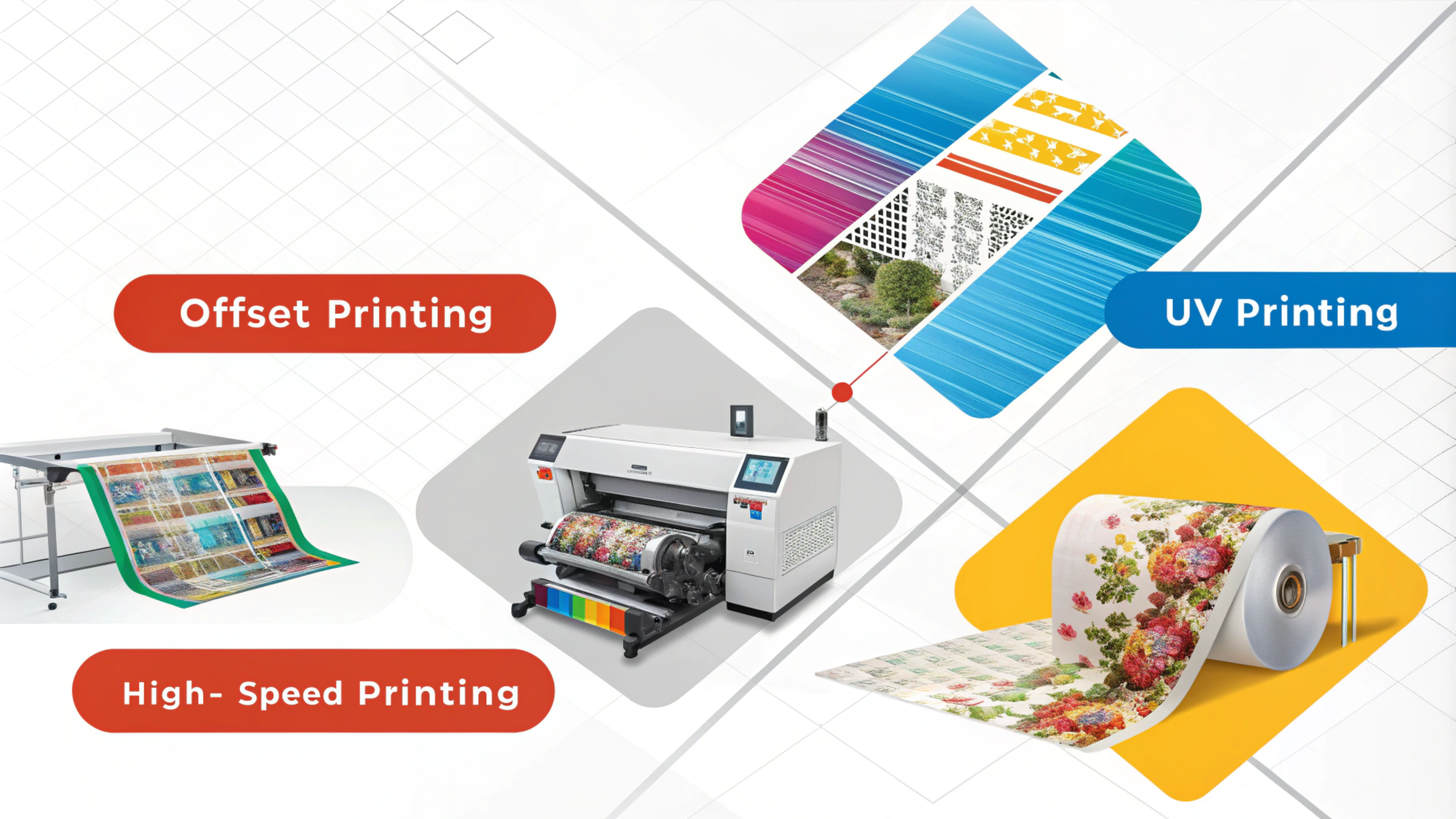
Identify Your Printing Process
Different processes require different blanket characteristics.
- Offset Printing: Standard blankets with good compressibility.
- UV Printing: Blankets resistant to UV light and chemicals.
- High-Speed Printing: Blankets with quick ink-release properties.
Consider the Substrate
The material you're printing on affects blanket selection.
- Paper: Most general-purpose blankets work well.
- Plastic or Metal: May require softer blankets for better contact.
- Textured Materials: Need blankets with excellent conformability.
Evaluate Ink Type
Ink compatibility is crucial.
- Oil-Based Inks: Standard blankets are sufficient.
- UV Inks: Require specialized blankets.
- Soy-Based Inks: Ensure the blanket material doesn't react adversely.
Assess Desired Print Quality
Your quality expectations influence the choice.
- High-Resolution Images: Need blankets with smooth surfaces.
- Solid Colors: May benefit from blankets with uniform hardness.
- Special Effects: Metallic inks or varnishes may require specific blankets.
Table: Factors in Selecting a Printing Blanket
| Faktor | Considerations |
|---|---|
| Printing Process | Offset, UV, High-Speed |
| Substrate Type | Paper, Plastic, Metal, Textured |
| Ink Type | Oil-Based, UV, Soy-Based |
| Print Quality | Resolution, Color Consistency |
Personal Recommendation
I always consult with suppliers, providing details about my projects. Their expertise helps me choose blankets that match my specific needs, saving time and reducing trial-and-error.
What Factors Affect the Durability and Life of a Blanket?
Understanding what affects a blanket's lifespan can save you money and downtime. So, what factors play a role in its durability?
Factors like printing pressure, chemical exposure, cleaning practices, and environmental conditions significantly affect the durability and lifespan of a printing blanket.
Druckdruck
Excessive pressure can cause premature wear.
- Optimal Settings: Adjust pressure based on substrate and blanket type.
- Avoid Overpacking: Too much packing increases stress.
- Regular Monitoring: Check for signs of compression set.
Chemische Exposition
Inks and cleaning agents can degrade the blanket.
- Aggressive Inks: UV and solvent-based inks may require resistant materials.
- Cleaning Solvents: Use products compatible with the blanket material.
- Residue Build-Up: Regular cleaning prevents chemical degradation.
Cleaning Practices
Proper maintenance extends blanket life.
- Gentle Cleaning: Use soft cloths and appropriate solvents.
- Avoid Abrasives: Harsh materials can damage the surface.
- Scheduled Maintenance: Routine checks and cleaning keep the blanket in top condition.
Environmental Conditions
The surrounding environment impacts the blanket.
- Temperatur: Extreme heat or cold can affect elasticity.
- Luftfeuchtigkeit: Moisture can weaken the fabric backing.
- Dust and Debris: Keep the press area clean to avoid contamination.
H3: Signs Your Blanket Needs Replacement
- Cracks or Tears: Physical damage is a clear indicator.
- Loss of Compressibility: Affects print quality.
- Surface Glazing: Ink no longer adheres properly.
My Lessons Learned
Ignoring the manufacturer's guidelines on cleaning agents once led to a shortened blanket lifespan. Sticking to recommended practices now helps me get the most out of each blanket.
What Are the Key Steps During Installation and Maintenance to Ensure Optimal Performance of the Blanket?
Even the best blanket won't perform well if not installed correctly. What steps should you follow to ensure optimal performance?
Key steps include proper installation with correct tension and alignment, regular cleaning using suitable solvents, and routine inspections to detect wear early and maintain optimal blanket performance.

Installation Steps
Inspect Before Installation
- Check for Defects: Look for any manufacturing flaws.
- Verify Dimensions: Ensure it fits your press specifications.
Richtige Montage
- Alignment: Position the blanket correctly on the cylinder.
- Tensioning: Apply even tension to prevent slippage.
- Avoid Overstretching: Excessive tension can cause damage.
Packing and Underlay
- Use Appropriate Materials: Ensure even pressure distribution.
- Adjust Thickness: Match the blanket height to press requirements.
Maintenance Practices
Regular Cleaning
- Nach jedem Lauf: Remove ink and debris.
- Use Recommended Solvents: Prevent chemical damage.
- Dry Properly: Moisture can degrade the blanket.
Routine Inspections
- Visuelle Kontrollen: Look for signs of wear or damage.
- Measure Compressibility: Detect loss of performance early.
- Record Keeping: Track blanket usage and maintenance.
Storage Guidelines
- Richtige Lagerung: Keep spare blankets flat or rolled as advised.
- Environmental Control: Store in a cool, dry place away from sunlight.
H3: Häufige Fehler, die es zu vermeiden gilt
- Incorrect Tensioning: Leads to uneven prints and faster wear.
- Using Wrong Cleaning Agents: Can degrade the blanket material.
- Neglecting Routine Checks: Small issues can escalate if unnoticed.
My Best Practices
I implemented a maintenance schedule that includes all team members. Regular training ensures everyone knows the correct procedures, which has improved our print quality and extended blanket life.
Abschluss
Understanding the structure of a printing blanket and the factors that affect its performance is crucial for anyone involved in the printing industry. From selecting the right type to proper installation and maintenance, each step plays a significant role in achieving optimal results. By paying attention to these details, you can enhance print quality, extend the life of your blankets, and ultimately, improve your bottom line.