
Have you ever struggled to achieve the perfect print quality in your offset printing projects? It's frustrating when the results don't match your expectations. The secret might lie in understanding the production processes of rubber blankets, a crucial component in printing.
De productieprocessen van rubberen dekens omvatten het selecteren van grondstoffen, mengen, vormen, vulkaniseren en rigoureus testen om de kwaliteit en prestaties bij printtoepassingen te garanderen.
Ik herinner me de eerste keer dat ik een rondleiding kreeg door een productiefaciliteit voor rubberen dekens. De complexiteit en precisie van elke stap verbaasde me. Toen ik zag hoe elk proces het eindproduct beïnvloedt, werden mijn ogen geopend voor het belang van kwaliteitscontrole in de productie.
Wat zijn de criteria voor het selecteren van grondstoffen bij de productie van rubberen dekens?
Het kiezen van de juiste grondstoffen kan overweldigend zijn. Je vraagt je misschien af wat het ene materiaal beter maakt dan het andere. Als u de criteria begrijpt, kunt u weloverwogen beslissingen nemen.
De belangrijkste criteria voor het selecteren van grondstoffen zijn compatibiliteit met inkten, duurzaamheid, elasticiteit, weerstand tegen chemicaliën en kosteneffectiviteit om ervoor te zorgen dat de rubberen deken optimaal presteert in printtoepassingen.
Belang van materiaalcompatibiliteit
Het is essentieel om materialen te selecteren die compatibel zijn met verschillende inkten.
- Inktsoorten: Op olie gebaseerde, op water gebaseerde UV-inkten vereisen verschillende materiaaleigenschappen.
- Chemische weerstand: Materialen moeten bestand zijn tegen zwelling of degradatie bij contact met inkt.
Duurzaamheid en elasticiteit
Materialen moeten bestand zijn tegen de mechanische spanningen van het printen.
- Treksterkte: Hoge treksterkte voorkomt scheuren.
- Elastisch herstel: Goede elasticiteit zorgt voor een consistente drukverdeling.
Weerstand tegen chemicaliën
Afdrukken brengt blootstelling aan verschillende chemicaliën met zich mee.
- Oplosmiddelen en reinigingsmiddelen: Materialen moeten bestand zijn tegen gangbare schoonmaakmiddelen.
- Ozonbestendigheid: Ozon kan rubber aantasten; Toevoegingen kunnen de weerstand vergroten.
Kosteneffectiviteit
Het evenwicht tussen kwaliteit en kosten is cruciaal.
- Grondstofkosten: Materialen van hogere kwaliteit kosten misschien meer, maar gaan langer mee.
- Productie-efficiëntie: Door materialen te selecteren die gemakkelijk te verwerken zijn, worden de productiekosten verlaagd.
Tabel: Veel voorkomende materialen en hun eigenschappen
| Materiaal | Verenigbaarheid | Duurzaamheid | Chemische weerstand | Kosten |
|---|---|---|---|---|
| Nitrilrubber | Hoog | Goed | Uitstekend | Gematigd |
| EPDM-rubber | Gematigd | Uitstekend | Goed | Hoog |
| Natuurlijk rubber | Laag | Gematigd | Arm | Laag |
Mijn ervaring met materiaalkeuze
In mijn beginperiode koos ik voor goedkoper materiaal om de kosten te besparen. De rubberen dekens versleten snel, wat leidde tot een slechte printkwaliteit. Investeren in betere grondstoffen maakte een aanzienlijk verschil in prestaties en klanttevredenheid.
Welke invloed heeft het mengproces op de uiteindelijke eigenschappen van de rubberen deken?
Mixing might seem straightforward, but it's a critical step. You might not realize how much it impacts the final product's quality and performance.
The mixing process determines the uniformity of the rubber compound, affecting the blanket's elasticity, strength, and resistance to chemicals, which are crucial for optimal printing performance.
Belang van uniform mengen
Uniform mengen zorgt voor consistente eigenschappen.
- Distributie van ingrediënten: Gelijkmatig verdeelde vulstoffen en additieven.
- Klonten vermijden: Voorkomt zwakke plekken in de deken.
Mengtechnieken
Verschillende technieken beïnvloeden de verbinding.
- Banbury-mixers: Ideaal voor grote batches.
- Tweewalsmolens: Zorg voor fijne aanpassingen.
Temperatuurregeling
Temperatuur speelt een cruciale rol.
- Warmteopwekking: Bij het mengen ontstaat warmte, waardoor de eigenschappen van de verbindingen worden beïnvloed.
- Koelsystemen: Handhaaf optimale temperaturen om voortijdige vulkanisatie te voorkomen.
Impact op fysieke eigenschappen
Een goede menging verbetert de eigenschappen.
- Elasticiteit: Uniforme samenstelling verbetert de elasticiteit.
- Kracht: Consistente treksterkte over de hele deken.
Tabel: Effecten van mengparameters
| Parameter | Impact op eigendommen |
|---|---|
| Mengtijd | Te veel mengen kan polymeren aantasten |
| Mengtemperatuur | Beïnvloedt de viscositeit en vloeiing |
| Mengsnelheid | Beïnvloedt de verspreiding van ingrediënten |
Mijn observaties
Ik heb ooit een faciliteit bezocht waar ze het mengproces versnelden. De resulterende rubberen dekens hadden een inconsistente kwaliteit, wat leidde tot klachten van klanten. Goed mengen bleek essentieel voor betrouwbare producten.
Hoe kan de maatnauwkeurigheid en uniformiteit van de rubberen deken tijdens het gietproces worden gegarandeerd?
Het bereiken van maatnauwkeurigheid kan een uitdaging zijn. Je vraagt je misschien af hoe fabrikanten ervoor zorgen dat elke deken aan de specificaties voldoet.
Maatnauwkeurigheid en uniformiteit worden verzekerd door nauwkeurige vormtechnieken, gecontroleerde temperaturen en drukinstellingen tijdens het vormproces om consistente rubberen dekens te produceren.
Precisievormtechnieken
Het gebruik van geavanceerde vormmethoden verbetert de nauwkeurigheid.
- Compressiegieten: Oefent gelijkmatige druk uit.
- Spuitgieten: Maakt nauwkeurige controle van de materiaalstroom mogelijk.
Temperatuur- en drukregeling
Consistente instellingen zijn van cruciaal belang.
- Temperatuuruniformiteit: Zorgt voor een gelijkmatige uitharding.
- Drukconsistentie: Voorkomt diktevariaties.
Vormontwerp
Goed ontworpen mallen dragen bij aan de nauwkeurigheid.
- Hoogwaardige materialen: Duurzame mallen behouden hun vorm.
- Precisietechniek: Nauwkeurige afmetingen in matrijsontwerp.
Kwaliteitsmonitoring
Regelmatige controles voorkomen defecten.
- Inspecties tijdens het proces: problemen vroegtijdig detecteren.
- Kalibratie: Kalibreer de apparatuur regelmatig.
Tabel: Factoren die de maatnauwkeurigheid beïnvloeden
| Factor | Effect op nauwkeurigheid |
|---|---|
| Schimmel temperatuur | Beïnvloedt de materiaalstroom |
| Drukinstellingen | Beïnvloedt de dikte |
| Materiaal viscositeit | Heeft invloed op het vullen van schimmels |
Persoonlijk inzicht
During a project, we faced issues with thickness variations. Adjusting the molding temperature and pressure solved the problem, resulting in uniform blankets that met our clients' needs.
Welke rol speelt het vulkanisatieproces bij de productie van rubberen dekens?
Vulcanization might sound technical, but it's a cornerstone of rubber production. You might be curious about its role.
Het vulkanisatieproces verknoopt rubbermoleculen met behulp van hitte en zwavel of andere middelen, waardoor de elasticiteit, sterkte en duurzaamheid van de rubberen deken worden verbeterd voor optimale prestaties bij het printen.
Wat is vulkanisatie?
Een chemisch proces dat rubber transformeert.
- Kruiskoppeling: Bindt polymeerketens.
- Warmtetoepassing: Activeert de verharders.
Voordelen van vulkanisatie
Verbetert belangrijke eigenschappen.
- Verhoogde elasticiteit: Zorgt ervoor dat de deken zijn vorm kan herstellen.
- Verbeterde sterkte: Biedt weerstand tegen mechanische belasting.
- Temperatuurstabiliteit: Presteert goed onder wisselende temperaturen.
Vulkanisatiemethoden
Verschillende methoden passen bij verschillende behoeften.
- Continue vulkanisatie: Voor consistente, lange producten.
- Batch-vulkanisatie: Geschikt voor losse artikelen.
Controle van vulkanisatieparameters
Nauwkeurige controle garandeert kwaliteit.
- Tijd: Over- of onvoldoende uitharding beïnvloedt de eigenschappen.
- Temperatuur: Moet binnen een bepaald bereik worden gehouden.
- Uithardingsmiddelen: Juiste hoeveelheden zijn essentieel.
Tabel: Effecten van vulkanisatieparameters
| Parameter | Impact op eigendommen |
|---|---|
| Uithardingstijd | Beïnvloedt de elasticiteit en hardheid |
| Temperatuur | Beïnvloedt de verknopingsdichtheid |
| Agentbedrag | Verandert mechanische eigenschappen |
Mijn ervaring met vulcanisatie
We once experimented with different vulcanization times. Finding the optimal curing time significantly improved the rubber blanket's durability and performance.
Welke teststappen moet de rubberen deken na productie doorlopen om de kwaliteit ervan te garanderen?
Kwaliteitsborging is cruciaal. Je vraagt je misschien af welke tests ervoor zorgen dat de rubberen deken aan de normen voldoet.
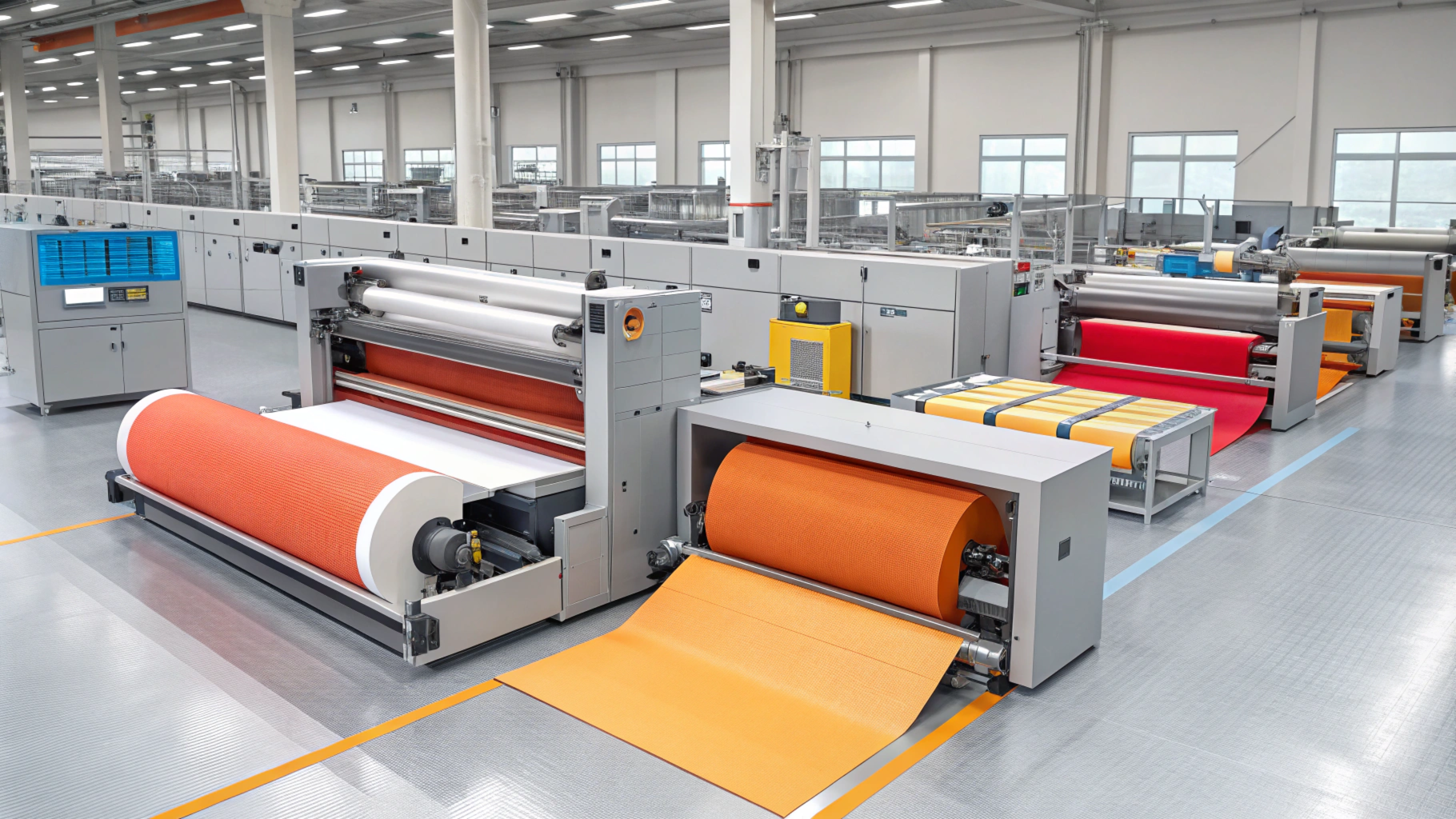
Na productie ondergaan rubberen dekens tests op dikte-uniformiteit, treksterkte, hardheid, elasticiteit, chemische bestendigheid en bedrukbaarheid om ervoor te zorgen dat ze aan de kwaliteitsnormen voldoen.
Dikte- en maattesten
Zorgt ervoor dat aan de fysieke specificaties wordt voldaan.
- Remklauwmetingen: Controleert de consistentie van de dikte.
- Dimensionale controles: Controleert lengte en breedte.
Mechanische eigendomstests
Beoordeelt kracht en flexibiliteit.
- Treksterktetest: Meet de weerstand tegen trekkrachten.
- Hardheidstest: Bepaalt de oppervlaktehardheid (Shore A).
Chemische resistentietests
Evalueert de duurzaamheid ten opzichte van chemicaliën.
- Blootstelling aan oplosmiddelen: Test de bestendigheid tegen schoonmaakmiddelen.
- Compatibiliteit van inkt: Zorgt ervoor dat er geen nadelige reacties optreden met inkten.
Afdrukbaarheidstests
Simuleert werkelijke gebruiksomstandigheden.
- Testafdrukken: Controleert de afdrukkwaliteit.
- Drukverdeling: Zorgt voor gelijkmatig contact.
Tabel: Belangrijkste testparameters
| Testtype | Doel |
|---|---|
| Diktetest | Controleer uniformiteit |
| Treksterkte | Beoordeel de mechanische duurzaamheid |
| Hardheidstest | Bepaal de veerkracht van het oppervlak |
| Chemische weerstand | Evalueer de duurzaamheid tegen chemicaliën |
| Afdrukbaarheidstest | Zorg voor optimale printprestaties |
Mijn benadering van kwaliteitstesten
Het implementeren van uitgebreide testprotocollen verminderde het aantal retourzendingen en klachten. Klanten waardeerden de consistente kwaliteit, wat leidde tot meer vertrouwen en terugkerende klanten.
Conclusie
Inzicht in de productieprocessen van rubberen dekens onthult de complexiteit achter een ogenschijnlijk eenvoudig product. Elke stap, van het selecteren van grondstoffen tot rigoureuze tests, speelt een cruciale rol om ervoor te zorgen dat de rubberen deken optimaal presteert in printtoepassingen. Door aandacht te besteden aan deze processen kunnen fabrikanten hoogwaardige dekens produceren die voldoen aan de veeleisende behoeften van de grafische industrie.