
Have you ever struggled to achieve the perfect print quality in your offset printing projects? It's frustrating when the results don't match your expectations. The secret might lie in understanding the production processes of rubber blankets, a crucial component in printing.
The production processes of rubber blankets involve selecting raw materials, mixing, molding, vulcanization, and rigorous testing to ensure quality and performance in printing applications.
I remember the first time I toured a rubber blanket manufacturing facility. The complexity and precision of each step amazed me. Seeing how each process affects the final product opened my eyes to the importance of quality control in production.
What Are the Criteria for Selecting Raw Materials in the Production of Rubber Blankets?
Choosing the right raw materials can be overwhelming. You might wonder what makes one material better than another. Understanding the criteria can help you make informed decisions.
The main criteria for selecting raw materials are compatibility with inks, durability, elasticity, resistance to chemicals, and cost-effectiveness to ensure the rubber blanket performs optimally in printing applications.
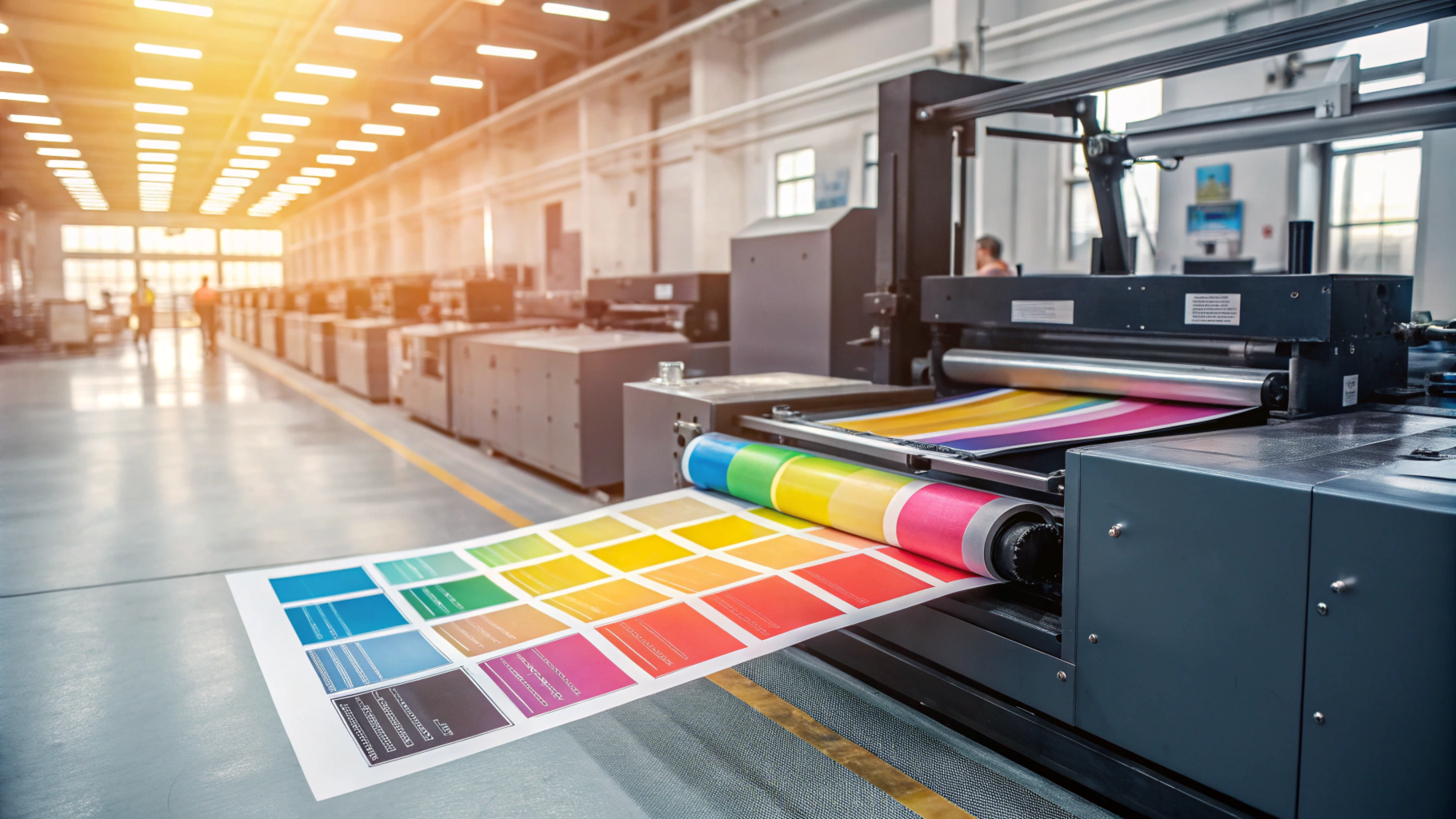
Importance of Material Compatibility
Selecting materials that are compatible with various inks is essential.
- Ink Types: Oil-based, water-based, UV inks require different material properties.
- Resistenza chimica: Materials must resist swelling or degradation when in contact with inks.
Durability and Elasticity
Materials should withstand the mechanical stresses of printing.
- Tensile Strength: High tensile strength prevents tearing.
- Elastic Recovery: Good elasticity ensures consistent pressure distribution.
Resistance to Chemicals
Printing involves exposure to various chemicals.
- Solvents and Cleaners: Materials must resist common cleaning agents.
- Ozone Resistance: Ozone can degrade rubber; additives can enhance resistance.
Cost-Effectiveness
Balancing quality and cost is crucial.
- Raw Material Cost: Higher quality materials may cost more but last longer.
- Production Efficiency: Selecting materials that are easy to process reduces manufacturing costs.
Table: Common Materials and Their Properties
| Material | Compatibilità | Durability | Resistenza chimica | Costo |
|---|---|---|---|---|
| Nitrile Rubber | Alto | Good | Excellent | Moderare |
| EPDM Rubber | Moderare | Excellent | Good | Alto |
| Natural Rubber | Low | Moderare | Poor | Low |
My Experience with Material Selection
In my early days, I chose a cheaper material to cut costs. The rubber blankets wore out quickly, leading to poor print quality. Investing in better raw materials made a significant difference in performance and customer satisfaction.
How Does the Mixing Process Affect the Final Properties of the Rubber Blanket?
Mixing might seem straightforward, but it's a critical step. You might not realize how much it impacts the final product's quality and performance.
The mixing process determines the uniformity of the rubber compound, affecting the blanket's elasticity, strength, and resistance to chemicals, which are crucial for optimal printing performance.
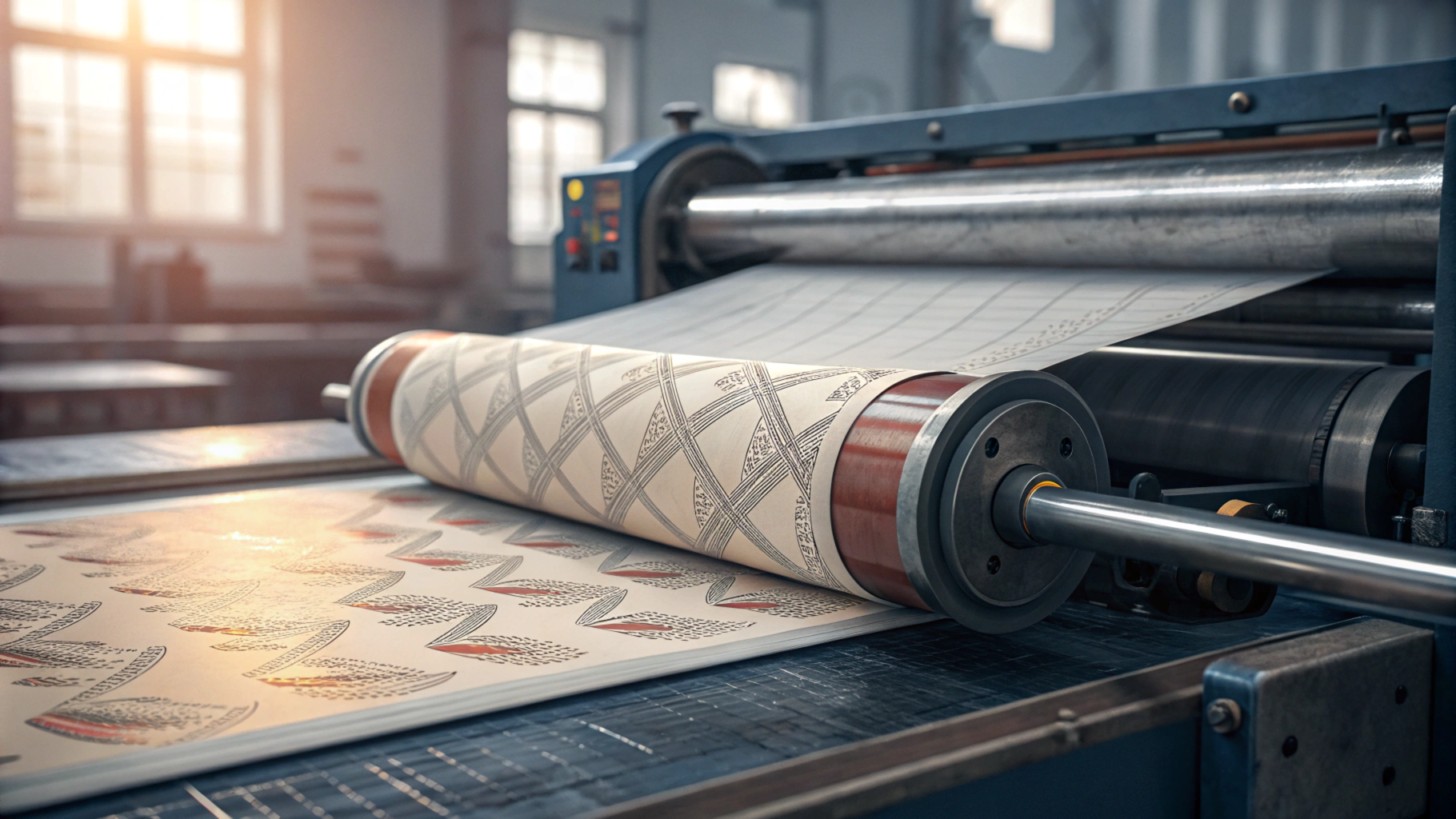
Importance of Uniform Mixing
Uniform mixing ensures consistent properties.
- Ingredient Distribution: Evenly distributed fillers and additives.
- Avoiding Clumps: Prevents weak spots in the blanket.
Mixing Techniques
Different techniques affect the compound.
- Banbury Mixers: Ideal for large batches.
- Two-Roll Mills: Allow for fine adjustments.
Controllo della temperatura
Temperature plays a vital role.
- Heat Generation: Mixing generates heat, affecting compound properties.
- Cooling Systems: Maintain optimal temperatures to prevent premature vulcanization.
Impact on Physical Properties
Proper mixing enhances properties.
- Elasticità: Uniform compound improves elasticity.
- Strength: Consistent tensile strength across the blanket.
Table: Effects of Mixing Parameters
| Parameter | Impact on Properties |
|---|---|
| Mixing Time | Overmixing can degrade polymers |
| Mixing Temperature | Affects viscosity and flow |
| Mixing Speed | Influences dispersion of ingredients |
My Observations
I once visited a facility where they rushed the mixing process. The resulting rubber blankets had inconsistent quality, leading to customer complaints. Proper mixing proved to be essential for reliable products.
How to Ensure the Dimensional Accuracy and Uniformity of the Rubber Blanket During the Molding Process?
Achieving dimensional accuracy can be challenging. You might wonder how manufacturers ensure each blanket meets specifications.
Dimensional accuracy and uniformity are ensured through precise molding techniques, controlled temperatures, and pressure settings during the molding process to produce consistent rubber blankets.
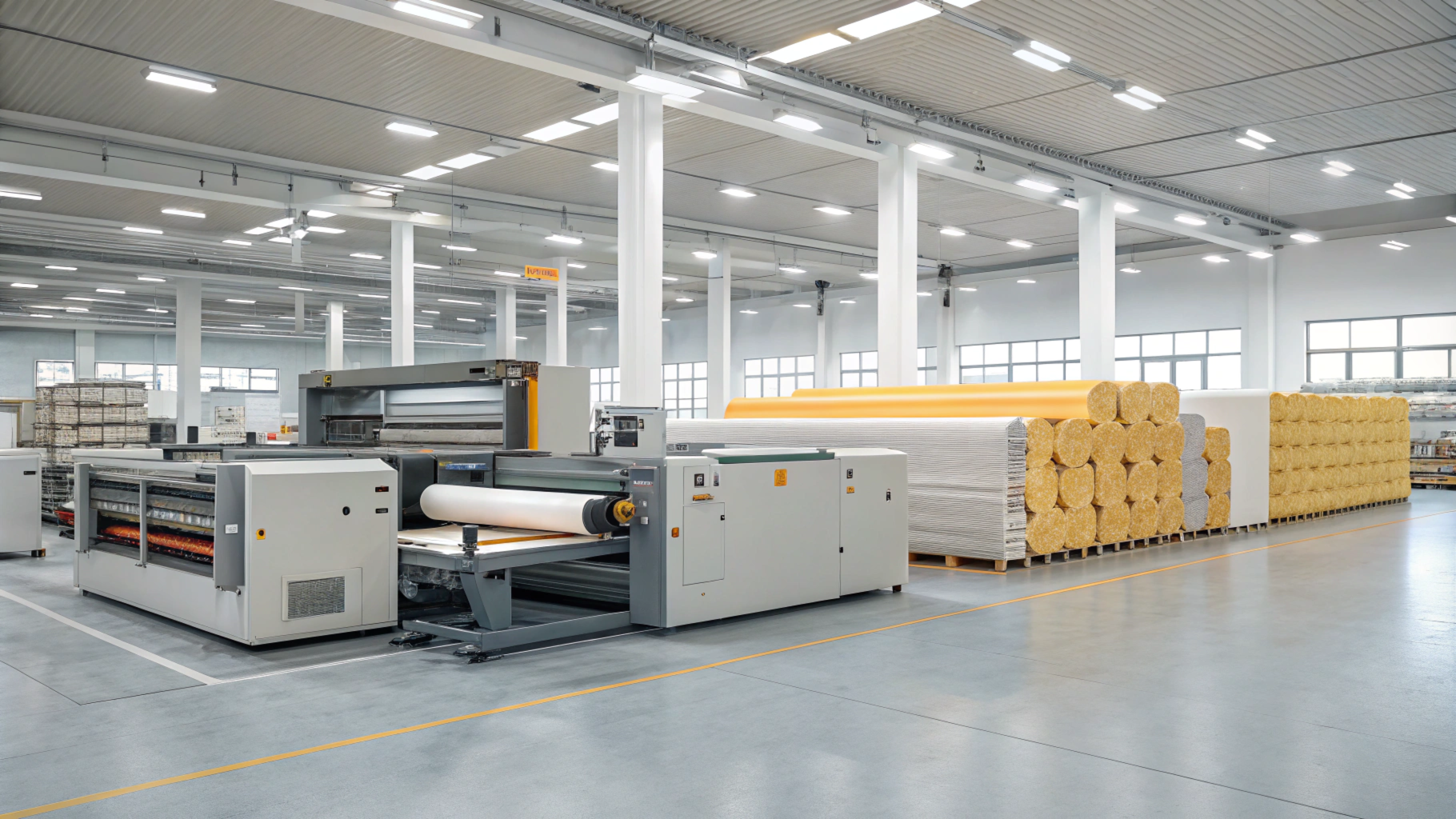
Precision Molding Techniques
Using advanced molding methods improves accuracy.
- Compression Molding: Applies uniform pressure.
- Injection Molding: Allows for precise control of material flow.
Temperature and Pressure Control
Consistent settings are vital.
- Temperature Uniformity: Ensures even curing.
- Pressure Consistency: Prevents thickness variations.
Mold Design
Well-designed molds contribute to accuracy.
- High-Quality Materials: Durable molds maintain shape.
- Precision Engineering: Accurate dimensions in mold design.
Quality Monitoring
Regular checks prevent defects.
- In-Process Inspections: Detect issues early.
- Calibration: Regularly calibrate equipment.
Table: Factors Affecting Dimensional Accuracy
| Fattore | Effect on Accuracy |
|---|---|
| Mold Temperature | Affects material flow |
| Pressure Settings | Influences thickness |
| Material Viscosity | Impacts filling of mold |
Personal Insight
During a project, we faced issues with thickness variations. Adjusting the molding temperature and pressure solved the problem, resulting in uniform blankets that met our clients' needs.
What Role Does the Vulcanization Process Play in the Production of Rubber Blankets?
Vulcanization might sound technical, but it's a cornerstone of rubber production. You might be curious about its role.
The vulcanization process cross-links rubber molecules using heat and sulfur or other agents, enhancing elasticity, strength, and durability of the rubber blanket for optimal performance in printing.
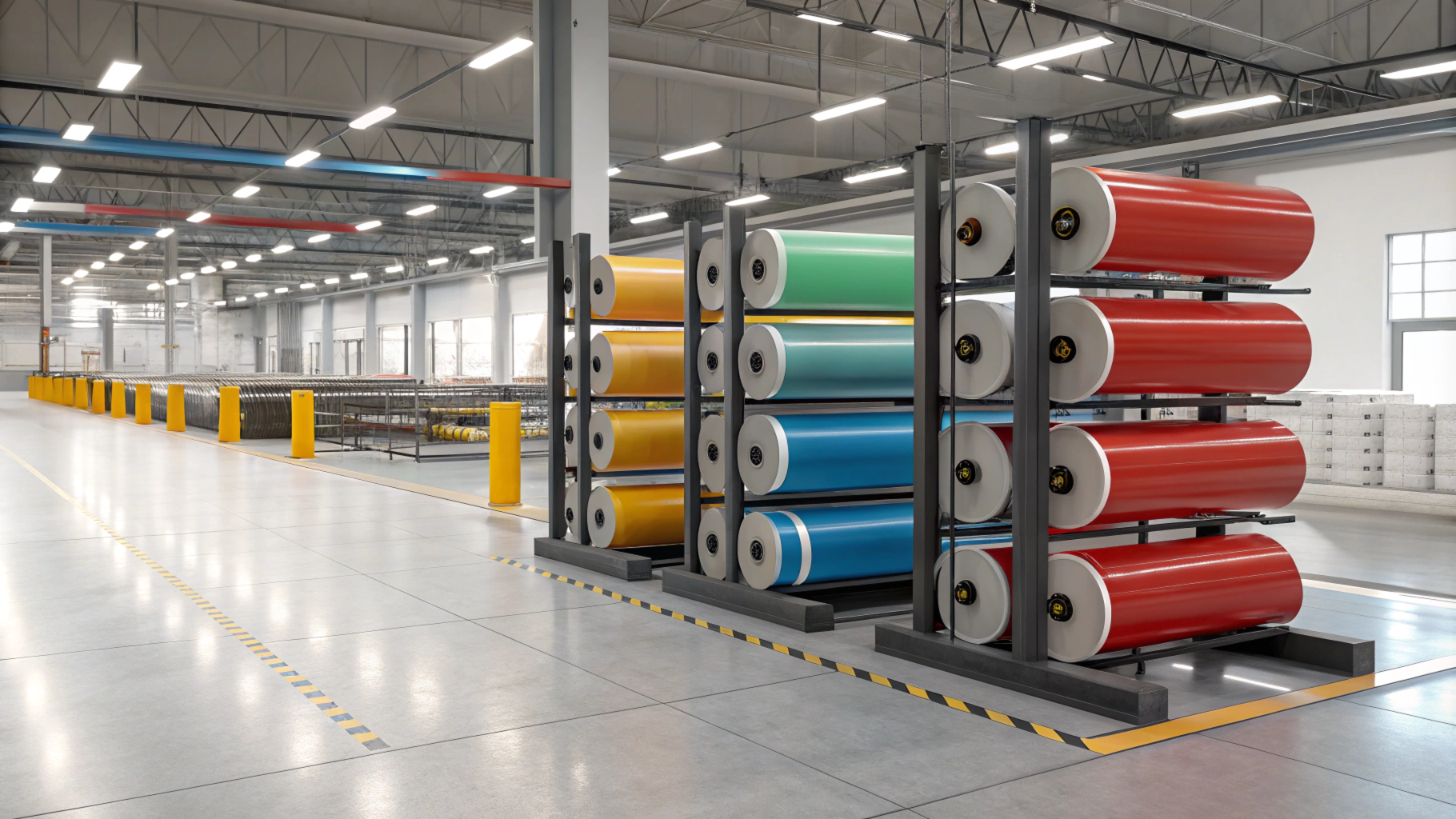
What is Vulcanization?
A chemical process that transforms rubber.
- Cross-Linking: Bonds polymer chains.
- Heat Application: Activates the curing agents.
Benefits of Vulcanization
Improves key properties.
- Increased Elasticity: Allows the blanket to recover shape.
- Enhanced Strength: Provides resistance to mechanical stress.
- Temperature Stability: Performs well under varying temperatures.
Vulcanization Methods
Different methods suit different needs.
- Continuous Vulcanization: For consistent, long products.
- Batch Vulcanization: Suitable for individual items.
Controlling Vulcanization Parameters
Precise control ensures quality.
- Time: Over- or under-curing affects properties.
- Temperatura: Must be maintained within a specific range.
- Curing Agents: Correct amounts are essential.
Table: Effects of Vulcanization Parameters
| Parameter | Impact on Properties |
|---|---|
| Curing Time | Affects elasticity and hardness |
| Temperatura | Influences cross-linking density |
| Agent Amount | Alters mechanical properties |
My Experience with Vulcanization
We once experimented with different vulcanization times. Finding the optimal curing time significantly improved the rubber blanket's durability and performance.
After Production, What Testing Steps Does the Rubber Blanket Need to Go Through to Ensure Its Quality?
Quality assurance is crucial. You might wonder what tests ensure the rubber blanket meets standards.
After production, rubber blankets undergo tests for thickness uniformity, tensile strength, hardness, elasticity, chemical resistance, and printability to ensure they meet quality standards.
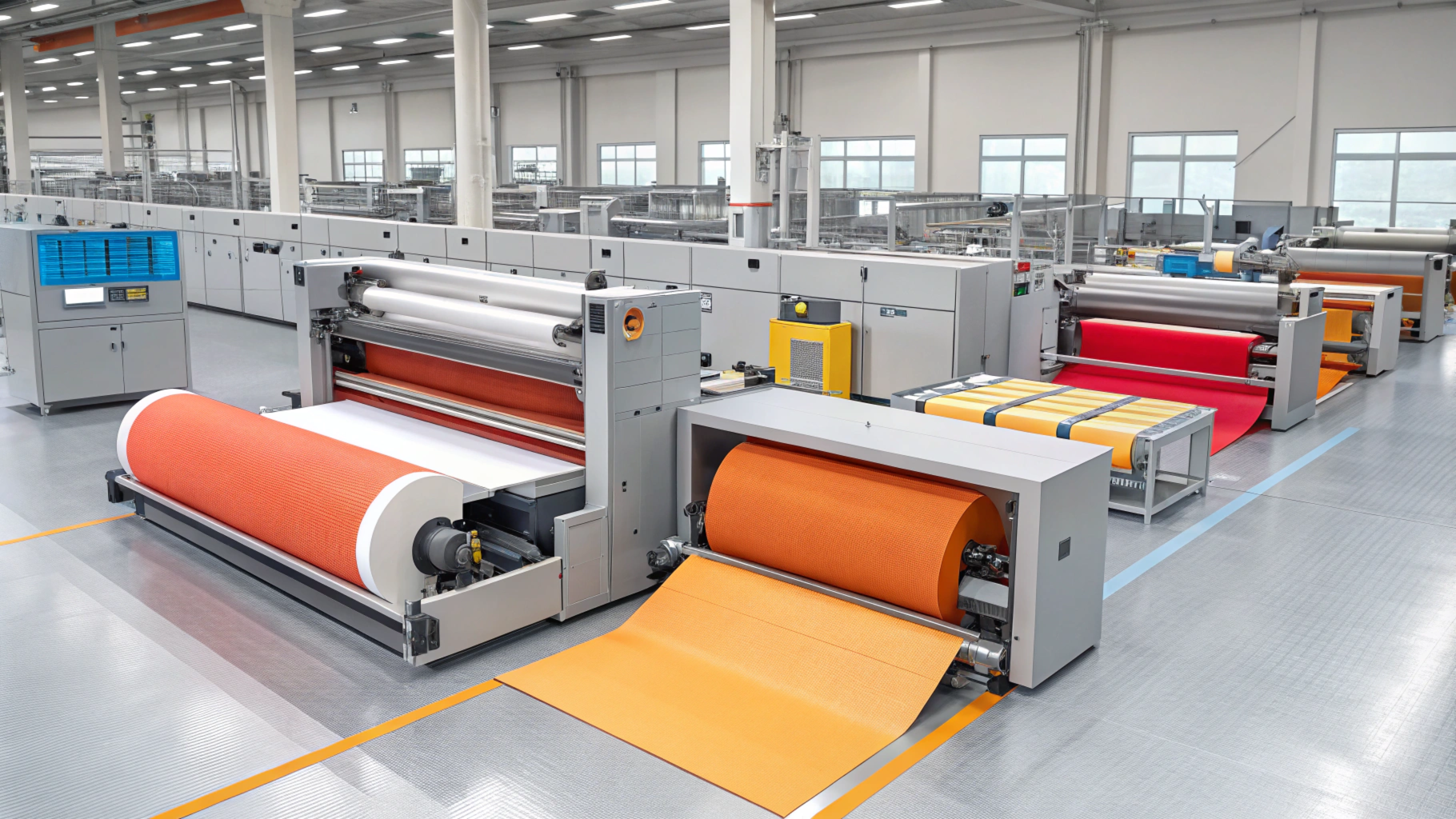
Thickness and Dimensional Tests
Ensures physical specifications are met.
- Caliper Measurements: Checks thickness consistency.
- Dimensional Checks: Verifies length and width.
Mechanical Property Tests
Assesses strength and flexibility.
- Tensile Strength Test: Measures resistance to pulling forces.
- Hardness Test: Determines surface hardness (Shore A).
Chemical Resistance Tests
Evaluates durability against chemicals.
- Solvent Exposure: Tests resistance to cleaning agents.
- Ink Compatibility: Ensures no adverse reactions with inks.
Printability Tests
Simulates actual use conditions.
- Stampe di prova: Checks for print quality.
- Pressure Distribution: Ensures even contact.
Table: Key Testing Parameters
| Test Type | Scopo |
|---|---|
| Thickness Test | Verify uniformity |
| Tensile Strength | Assess mechanical durability |
| Hardness Test | Determine surface resilience |
| Resistenza chimica | Evaluate durability against chemicals |
| Printability Test | Ensure optimal printing performance |
My Approach to Quality Testing
Implementing comprehensive testing protocols reduced returns and complaints. Clients appreciated the consistent quality, leading to increased trust and repeat business.
Conclusione
Understanding the production processes of rubber blankets reveals the complexity behind a seemingly simple product. Each step, from selecting raw materials to rigorous testing, plays a vital role in ensuring the rubber blanket performs optimally in printing applications. By paying attention to these processes, manufacturers can produce high-quality blankets that meet the demanding needs of the printing industry.