# 橡胶毯的制作方法有哪些?

Have you ever wondered how rubber blankets used in printing are made? It's a process that combines art and science to produce a vital component for the printing industry. Understanding these methods can help you appreciate the quality and performance of the products you use.

Rubber blankets are made using processes like compression molding, injection molding, and extrusion, each tailored to produce specific types of blankets with desired properties.

I recall visiting a manufacturing plant where I saw these processes firsthand. The precision and attention to detail were impressive. It made me realize how much effort goes into creating something that seems so simple yet is so essential.

What Are the Commonly Used Processing Technologies When Making Rubber Blankets?

Producing rubber blankets involves various technologies. You might feel overwhelmed by the options and wonder which methods are most prevalent.

The commonly used processing technologies for making rubber blankets are compression molding, injection molding, and extrusion, each offering unique benefits for different applications.

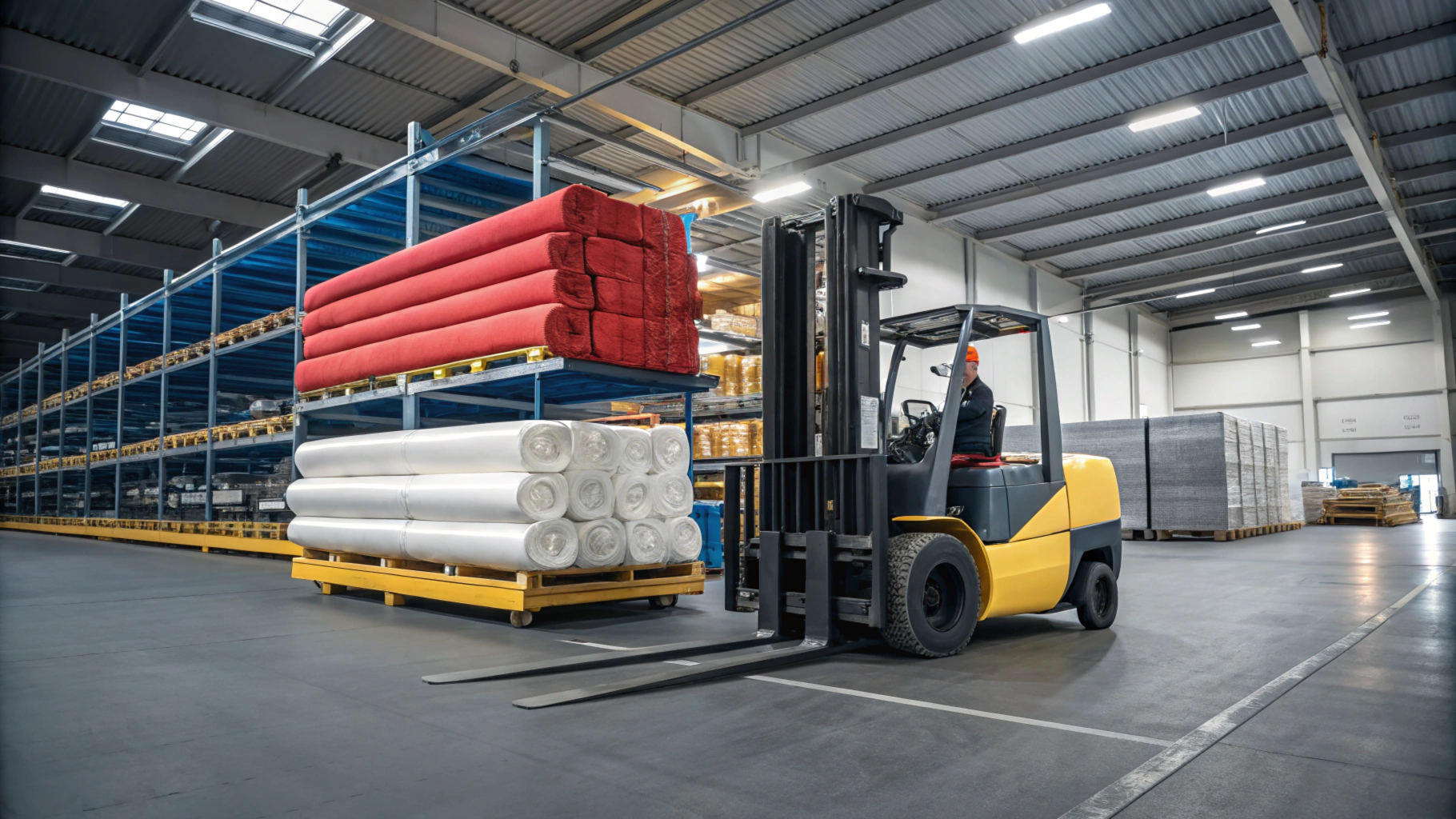
Forklift moving red and white fabric rolls in a spacious industrial warehouse with organized shelving.

压缩成型

Compression molding is a traditional method.

  • Process: Rubber compound is placed in a heated mold cavity, then compressed to shape.
  • Applications: Ideal for large, flat products like rubber blankets.
  • 优点: Cost-effective for medium production volumes.

注塑成型

Injection molding offers precision.

  • Process: Rubber is heated and injected into a mold under high pressure.
  • Applications: Suitable for complex shapes and detailed designs.
  • 优点: High efficiency and consistent quality.

Extrusion

Extrusion is used for continuous profiles.

  • Process: Rubber is forced through a die to create long, continuous shapes.
  • Applications: Produces sheets or strips that can be cut to size.
  • 优点: Excellent for high-volume production.

Table: Comparison of Processing Technologies

TechnologyBest For优点
压缩成型Large, flat productsCost-effective
注塑成型Complex shapesPrecision and consistency
ExtrusionContinuous profilesHigh-volume production

个人见解

Seeing these technologies in action made me appreciate their specific uses. Compression molding's simplicity contrasted with injection molding's precision. Each method has its place, depending on the product requirements.

What Are the Specific Applications of Compression Molding in Rubber Blanket Manufacturing?

You might be curious about why compression molding is chosen for rubber blankets. Understanding its applications can shed light on its importance.

Compression molding is used in rubber blanket manufacturing to create uniform, flat products with consistent thickness, making it ideal for producing high-quality printing blankets.

工业机器在工厂的传送带上检查和加工一卷棕色材料。

Advantages of Compression Molding

Uniform Thickness

  • Consistency: Ensures the blanket has even thickness throughout.
  • Quality Printing: Uniform thickness leads to better print quality.

成本效益

  • Economical for Medium Volumes: Suitable for production runs that aren't large enough for injection molding.
  • Lower Tooling Costs: Molds are simpler and cheaper to produce.

Process Steps

  1. 物质准备: Rubber compound is prepared and preheated.
  2. Mold Loading: Material is placed into the mold cavity.
  3. Compression: Mold is closed, and pressure is applied.
  4. Curing: Heat and pressure are maintained to cure the rubber.
  5. Demolding: Finished product is removed.

Specific Applications

  • Printing Industry: Producing rubber blankets for offset printing presses.
  • Industrial Uses: Creating vibration dampening pads and seals.

H3: Quality Control in Compression Molding

Maintaining quality is essential.

  • Temperature Monitoring: Ensures proper curing.
  • Pressure Control: Guarantees uniform density.
  • Timing: Accurate curing time prevents defects.

My Experience with Compression Molding

I once collaborated with a manufacturer using compression molding for rubber blankets. The process allowed for customization in thickness and hardness, meeting specific client needs without excessive costs.

What Are the Advantages and Disadvantages of Injection Molding Compared to Compression Molding in Rubber Blanket Production?

Choosing between injection and compression molding can be challenging. You might wonder which method is better suited for your needs.

Injection molding offers precision and efficiency but comes with higher tooling costs, while compression molding is more cost-effective for simpler designs but may lack the detail and consistency of injection molding.

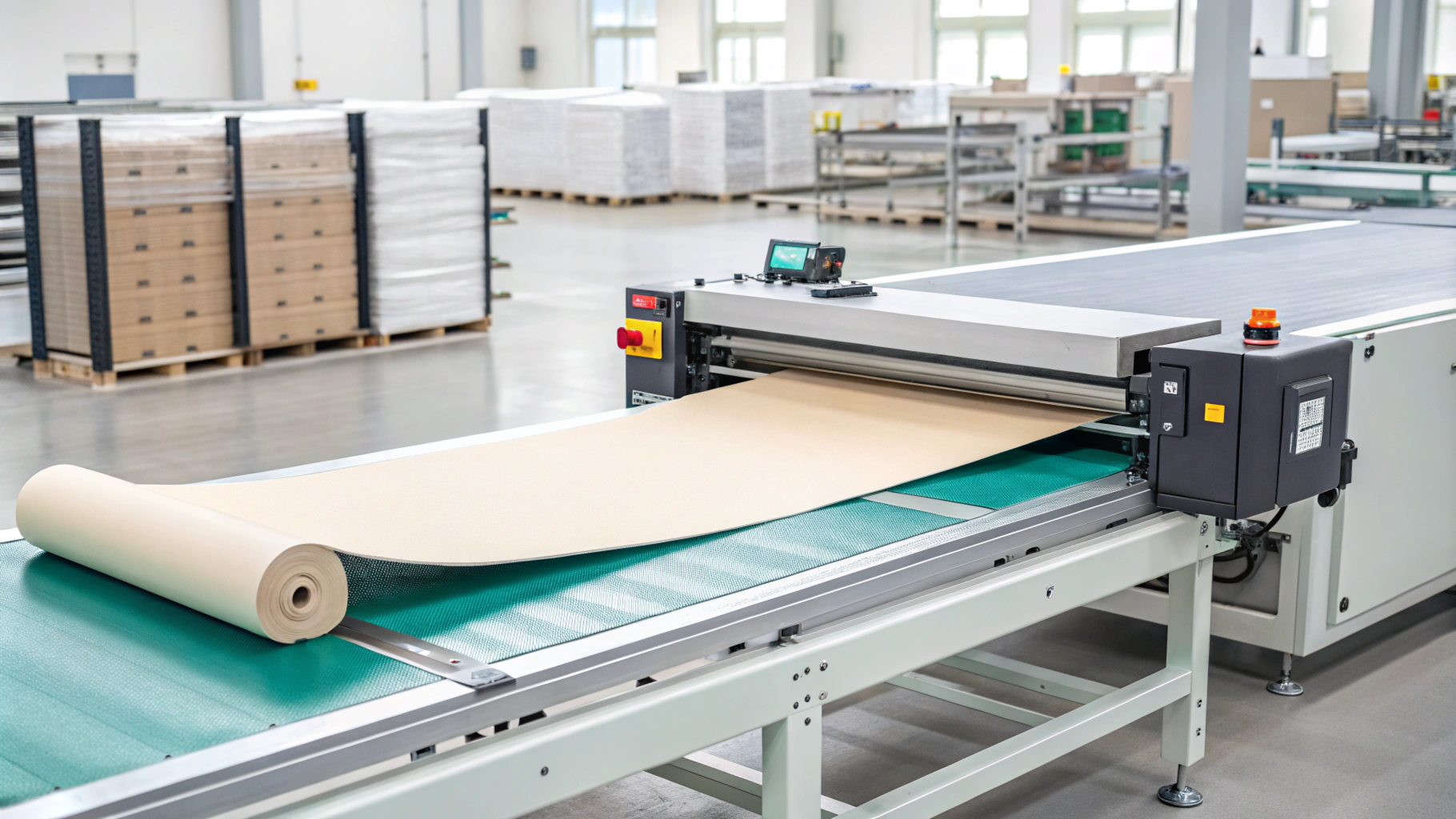
Industrial machine processing a roll of beige fabric on a conveyor belt in a clean factory environment.

Advantages of Injection Molding

精度和一致性

  • High Accuracy: Produces parts with tight tolerances.
  • Repeatability: Consistent quality across large volumes.

Efficiency

  • Fast Production: Shorter cycle times increase output.
  • Automation Potential: Reduces labor costs.

Disadvantages of Injection Molding

Higher Tooling Costs

  • Expensive Molds: Requires investment in complex molds.
  • Not Cost-Effective for Small Runs: Better suited for large production volumes.

Comparison Table: Injection vs. Compression Molding

Aspect注塑成型压缩成型
Precision高的缓和
Tooling Costs高的低的
Production VolumeLargeSmall to Medium
Cycle Time短的Longer
ComplexityHandles complex designsBest for simple shapes

When to Choose Injection Molding

  • Large Production Runs: Justifies the higher tooling costs.
  • Complex Designs: Requires detailed features or tight tolerances.
  • Material Efficiency: Less waste compared to compression molding.

个人经历

In a project requiring high-precision rubber components, injection molding was the clear choice. Despite the higher initial costs, the efficiency and quality justified the investment.

What Kind of Rubber Blanket Products Are Suitable for Extrusion Molding?

Extrusion molding might seem less common for rubber blankets. You might be curious about its specific applications.

Extrusion molding is suitable for producing continuous rubber sheets or strips used in rubber blankets, especially when large quantities and consistent cross-sections are required.

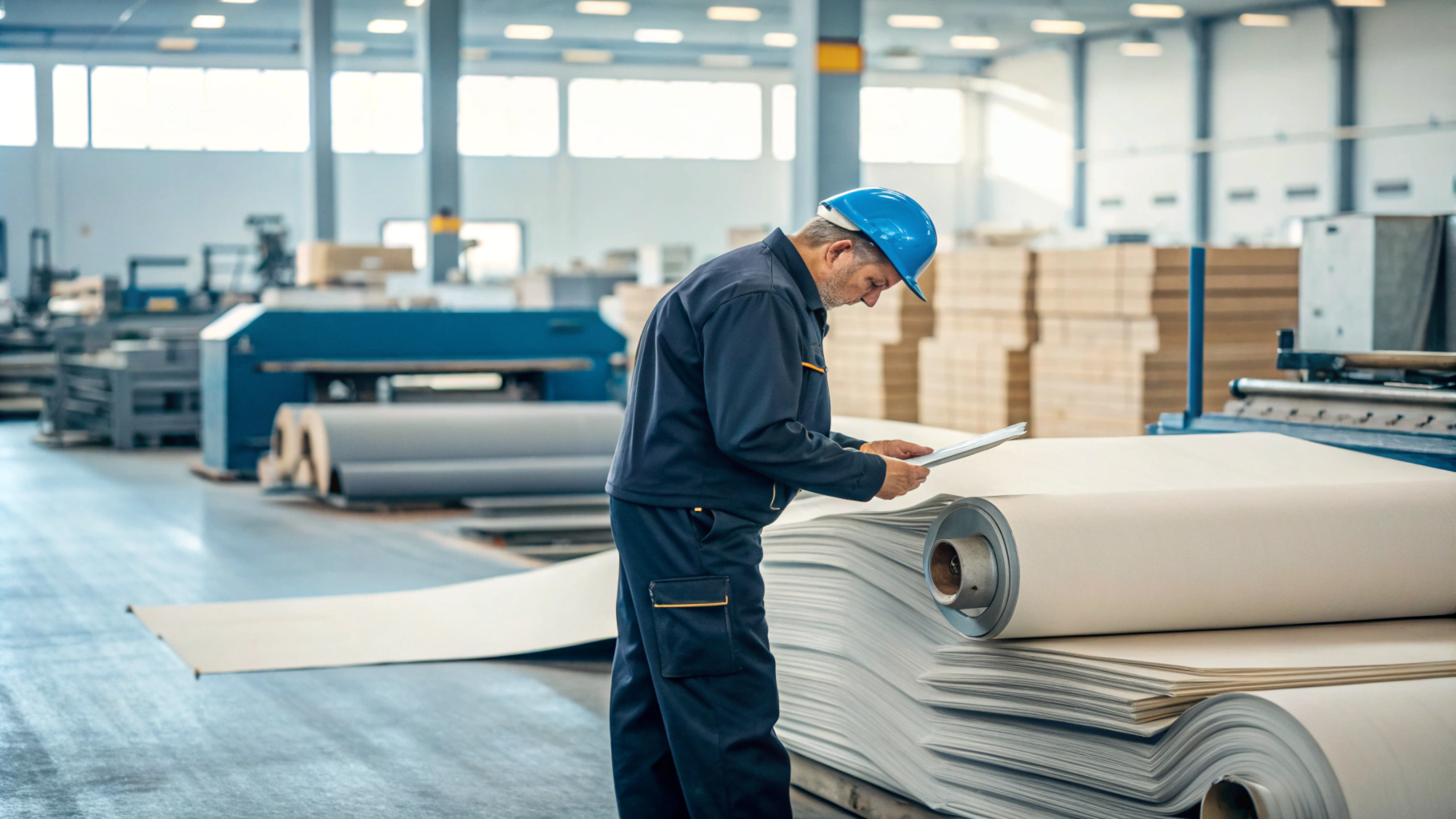
An industrial worker wearing a blue hard hat and uniform examines a clipboard near stacked rolls of beige fabric in a spacious, brightly lit factory.

How Extrusion Molding Works

  • Material Feeding: Rubber compound is fed into an extruder.
  • Heating and Pressurizing: Material is heated and pressurized.
  • Shaping: Forced through a die to create the desired profile.
  • Cooling: Extruded material is cooled to retain shape.
  • Cutting: Continuous profile is cut into desired lengths.

Suitable Products

  • Rubber Sheets: Used as base material for blankets.
  • Strips and Rolls: Can be layered or combined in further processing.
  • Standardized Sizes: Ideal for products with consistent dimensions.

Advantages of Extrusion Molding

High Volume Production

  • Efficiency: Continuous process suitable for large quantities.
  • 性价比高: Lower production costs per unit.

Consistent Cross-Sections

  • Uniformity: Maintains consistent shape and size along the length.
  • 定制化: Different dies can create various profiles.

局限性

  • 复杂的形状: Not suitable for intricate designs.
  • 表面处理: May require additional processing for smoothness.

H3: Post-Extrusion Processes

Extruded products often undergo further processing.

  • Calendaring: Smooths and thins the material.
  • Lamination: Layers are combined to create desired thickness.

我的观察

I visited a facility where extrusion molding was used to produce base materials for rubber blankets. The efficiency was remarkable, and the ability to produce large quantities kept costs low.

How to Improve the Surface Characteristics and Physical Properties of Rubber Blankets Through Different Post-Processing Processes?

Enhancing the final product is often necessary. You might wonder how post-processing can achieve this.

Post-processing methods like surface grinding, polishing, coating, and vulcanization improve the surface characteristics and physical properties of rubber blankets, enhancing their performance in specific applications.

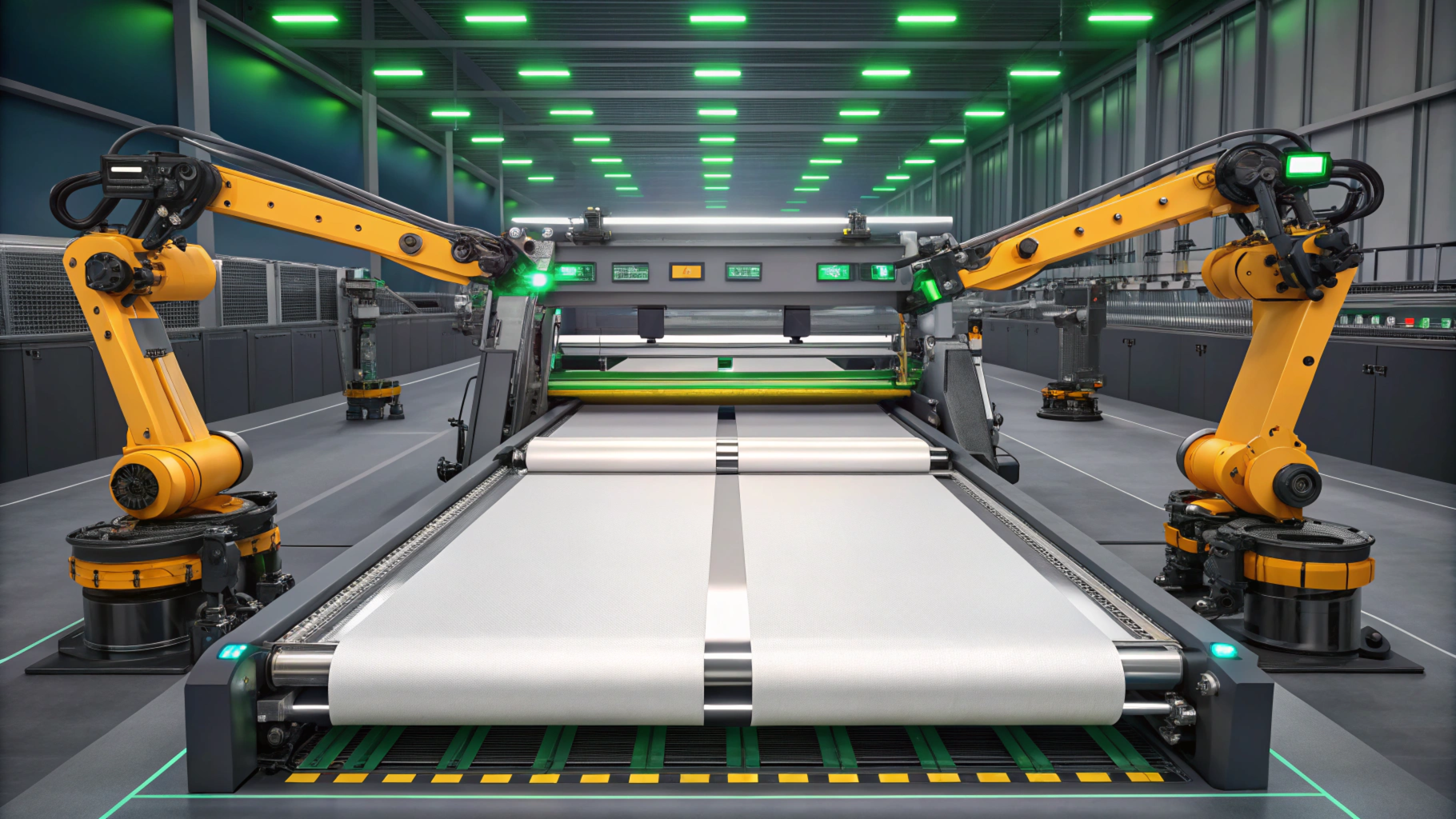
A state-of-the-art industrial setup featuring two yellow robotic arms managing fabric rolls on a high-tech conveyor system. The facility is illuminated with green overhead lighting, highlighting precision and automation.

Surface Grinding and Polishing

目的

  • 表面光滑: Improves contact with substrates.
  • Uniform Thickness: Ensures consistent print quality.

Process

  • 研磨: Removes imperfections and levels the surface.
  • Polishing: Provides a smooth, finished appearance.

Coating Applications

Types of Coatings

  • 防护涂料: Resist chemicals and abrasion.
  • Functional Coatings: Enhance ink compatibility.

好处

  • 延长使用寿命: Protects against wear and tear.
  • Improved Performance: Tailors surface properties to specific needs.

硫化

Role in Post-Processing

  • Final Curing: Enhances elasticity and strength.
  • Stabilization: Locks in desired physical properties.

Heat Treatment

  • Stress Relief: Reduces internal stresses from molding.
  • 维稳定性: Maintains shape under operating conditions.

Table: Post-Processing Methods and Their Effects

MethodEffect on Properties
Surface GrindingSmoothness, uniformity
PolishingSurface finish, appearance
涂层Chemical resistance, functionality
硫化Elasticity, strength
Heat TreatmentStability, stress relief

H3: Combining Processes for Optimal Results

Often, multiple post-processing steps are used.

  • Sequential Processing: Each step builds on the previous one.
  • 定制化解决方案: Tailored to specific application requirements.

个人见解

In one of my projects, applying a specialized coating to the rubber blanket significantly improved its resistance to UV inks. This extended the product's life and enhanced print quality.

结论

Understanding the methods for making rubber blankets reveals the complexity and precision involved in producing these essential products. From choosing the right processing technology to enhancing the final product through post-processing, each step plays a vital role. By selecting the appropriate methods and techniques, manufacturers can produce rubber blankets that meet specific needs and deliver optimal performance.

来自同芬团队的问候

在同奋,我们的博客内容是我们的工程和销售团队之间的合作成果。这种独特的合作关系确保每篇文章都提供技术准确性和市场洞察力,为读者提供实用的、专家驱动的信息。敬请关注更多有价值的内容,让您在行业中保持领先!