
印刷行业面临着越来越大的减少环境影响的压力。传统的印刷方法消耗大量能源并产生大量废物。我经常想知道我们如何才能在不伤害地球的情况下继续我们的工作。
印刷行业可以通过采用绿色技术、采用数字解决方案和实施可持续实践来实现转型,以减少能源消耗和浪费,使其更加环保。
I remember attending a conference where industry leaders discussed the future of printing. Hearing their ideas inspired me to explore how we can make positive changes. It's not just about business; it's about leaving a better world for future generations.
印刷行业如何通过技术创新实现节能减排?
减少印刷能耗面临着巨大的挑战。许多公司都在与高能源成本和排放作斗争。但如果技术可以帮助我们克服这些障碍呢?
通过采用节能设备和创新技术,印刷行业可以节能减排,从而节省成本和环境效益。
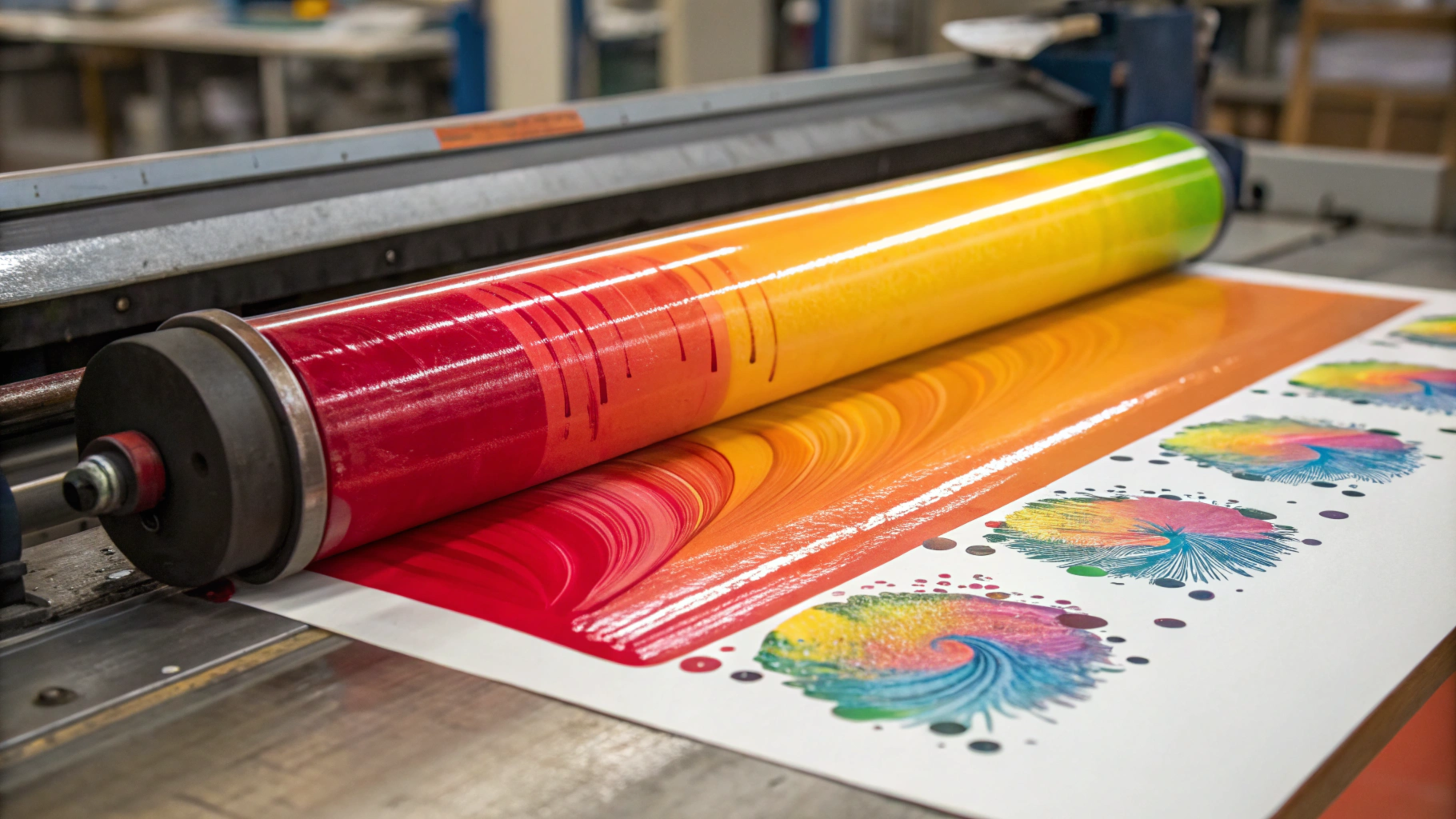

实施节能设备
升级到现代机器可以产生很大的变化。
- 高效压力机:使用更少的能源而不牺牲质量。
- 变速驱动器:根据需求调整用电量。
- LED UV 固化系统:比传统方法消耗更少的能源。
拥抱自动化
自动化简化了流程。
- 自动化工作流程系统:减少人工干预,节省时间和精力。
- 机器人搬运:最大限度地减少浪费并提高效率。
投资研发
创新源于持续改进。
- 合作项目:与科技公司合作开发新的解决方案。
- 员工培训:鼓励员工采取节能措施。
Case Study: My Company's Energy Upgrade
我们决定用节能型号替换旧印刷机。最初的投资是巨大的,但节省的能源在两年内就得到了回报。我们的排放量减少了,客户赞赏我们对可持续发展的承诺。
表:技术创新的好处
| 创新 | 节能 | 减排 |
|---|---|---|
| 高效压力机 | 高达30% | 重要的 |
| LED UV 固化系统 | 高达 50% | 缓和 |
| 自动化工作流程系统 | 多变的 | 间接 |
绿色印刷材料的发展对环境有哪些积极影响?
改用绿色材料似乎具有挑战性。您可能担心成本或质量。但真正的好处是什么?
使用绿色印刷材料可以减少环境污染,保护自然资源,在保持印刷质量的同时促进更健康的生态系统。

减少有毒物质排放
传统墨水含有有害化学物质。
- 植物油墨:毒性较小且可生物降解。
- 水性油墨:挥发性有机化合物 (VOC) 排放量较少。
节约资源
环保材料使用可再生资源。
- 再生纸:减少森林砍伐。
- 可持续采购:支持负责任的林业实践。
提升品牌形象
客户重视环境责任。
- 生态认证:展现对可持续发展的承诺。
- 积极营销:吸引具有环保意识的客户。
绿色材料的个人经验
去年我们改用植物油墨。我们不仅减少了环境足迹,而且我们的客户也注意到了质量的提高。它成为使我们区别于竞争对手的一个卖点。
H3:克服挑战
- 成本问题:批量采购可以减少开支。
- 品质保证:测试确保材料符合标准。
表:印刷材料比较
| 材料类型 | 环境影响 | 成本 | 质量 |
|---|---|---|---|
| 传统油墨 | 高污染 | 降低 | 标准 |
| 植物油墨 | 低污染 | 缓和 | 高的 |
| 再生纸 | 可持续的 | 可比 | 高的 |
数字化转型给印刷行业带来哪些新的商业模式?
数字化转型正在重塑行业。印刷也不例外。但它如何创造新的机会呢?
数字化转型引入了在线打印服务、个性化打印和按需生产等创新业务模式,从而提高了效率和客户参与度。

Online Printing Platforms
Customers can order prints online.
- Convenience: Easy ordering and tracking.
- Broader Reach: Access to global markets.
Personalized Printing Services
Customization attracts customers.
- Variable Data Printing: Tailored content for each customer.
- Short-Run Printing: Cost-effective for small quantities.
On-Demand Production
Reduces waste and inventory costs.
- Print as Needed: Minimizes overproduction.
- 灵活排班: Meets tight deadlines.
My Journey into Digital Transformation
我们推出了一个在线门户供客户提交订单。反响热烈。它简化了我们的工作流程并开辟了新市场。拥抱数字技术改变了我们的商业模式。
H3:利用数据分析
- 客户洞察:了解偏好和趋势。
- 流程优化:确定需要改进的地方。
表:数字商业模式的好处
| Business Model | Customer Benefit | Business Advantage |
|---|---|---|
| Online Printing Platforms | Convenience | Expanded Market Reach |
| Personalized Printing | 定制化 | Higher Customer Loyalty |
| On-Demand Production | Quick Turnaround | Reduced Waste |
How Can Printing Companies Reduce Waste Generation Through a Circular Economy Model?
Waste is a significant issue in printing. It's not just about cost but also environmental impact. So, how can we tackle this problem?
By adopting a circular economy model, printing companies can minimize waste through recycling, reusing materials, and designing processes that support sustainability.
Implementing Recycling Programs
Recycle waste materials.
- Paper Recycling: Reuse paper scraps.
- Ink Cartridge Recycling: Return programs with suppliers.
Reusing Materials
Find new uses for waste.
- Upcycling: Transform waste into new products.
- Material Exchange: Share excess materials with other companies.
Designing for Sustainability
- Eco-Friendly Design: Create products that are easy to recycle.
- Efficient Layouts: Optimize designs to minimize waste.
Our Circular Economy Initiative
We started a program to collect and recycle paper waste. Partnering with a recycling company, we turned scraps into new paper products. It reduced our waste disposal costs and resonated well with our community.
H3: Engaging Stakeholders
- Employee Involvement: Train staff on sustainable practices.
- Customer Education: Encourage clients to participate.
Table: Steps to Implement a Circular Economy
| Step | 行动 | Benefit |
|---|---|---|
| Recycling Programs | Collect and recycle waste | Reduced Waste Costs |
| Reusing Materials | Upcycle waste products | New Revenue Streams |
| Sustainable Design | Design for recyclability | 环境影响 |
What Are the Cases of Adopting Renewable Energy and Efficient Energy Management Systems in the Printing Industry?
Energy consumption is a major concern. But how are companies addressing this issue?
Printing companies are adopting renewable energy sources like solar and wind power, along with efficient energy management systems, to reduce costs and environmental impact.

Utilizing Renewable Energy
Switching to clean energy sources.
- Solar Panels: Generate electricity on-site.
- Wind Energy: Purchase wind power from providers.
Case Study: Solar Energy Implementation
A printing company installed solar panels on their facility's roof.
- 节能: Reduced electricity bills by 40%.
- 环境影响: Lowered carbon footprint.
Implementing Energy Management Systems
Monitor and control energy use.
- Smart Meters: Track energy consumption in real-time.
- Automated Controls: Adjust lighting and equipment usage.
H3: Government Incentives
- Tax Credits: Financial benefits for renewable energy adoption.
- Grants and Subsidies: Support for energy-efficient projects.
Table: Benefits of Renewable Energy Adoption
| Renewable Energy Source | 节省成本 | Environmental Benefit |
|---|---|---|
| Solar Power | 缓和 | 高的 |
| Wind Energy | 多变的 | 高的 |
| Energy Management Systems | 重要的 | 缓和 |
My Experience with Energy Efficiency
We invested in an energy management system last year. It allowed us to identify areas where we were wasting energy. Making adjustments saved us money and reduced our environmental impact.
结论
Transforming the printing industry to be more environmentally friendly is not just a trend; it's a necessity. By embracing technological innovations, adopting green materials, exploring new business models, reducing waste through a circular economy, and utilizing renewable energy, we can make a significant positive impact. I've seen firsthand how these changes benefit not only the environment but also business performance. It's time for all of us in the industry to take these steps towards a sustainable future.