
Packaging printing blankets can be more complicated than it seems. Choosing the wrong packaging can lead to damaged products and unhappy customers. It's a problem that many in the industry face but rarely talk about.
I tipi di imballaggio comuni per i tessuti gommati da stampa includono rotoli, confezioni piatte e scatole personalizzate progettate per proteggere il prodotto durante lo stoccaggio e il trasporto.
I once shipped a batch of high-quality printing blankets only to find they arrived damaged. It was a costly mistake that taught me the importance of selecting the right packaging. Let's explore the different types to prevent such issues.
Quali sono le forme di imballaggio comuni per le coperte da stampa?
La scelta della forma di imballaggio adeguata è fondamentale. Potresti sentirti sopraffatto dalle opzioni disponibili. Quindi, quali sono le forme di imballaggio più comuni per la stampa di coperte?
Le forme di imballaggio più comuni per i tessuti gommati da stampa sono rotoli avvolti in materiali protettivi, pacchi piatti sigillati in plastica e scatole progettate su misura che forniscono una protezione aggiuntiva.
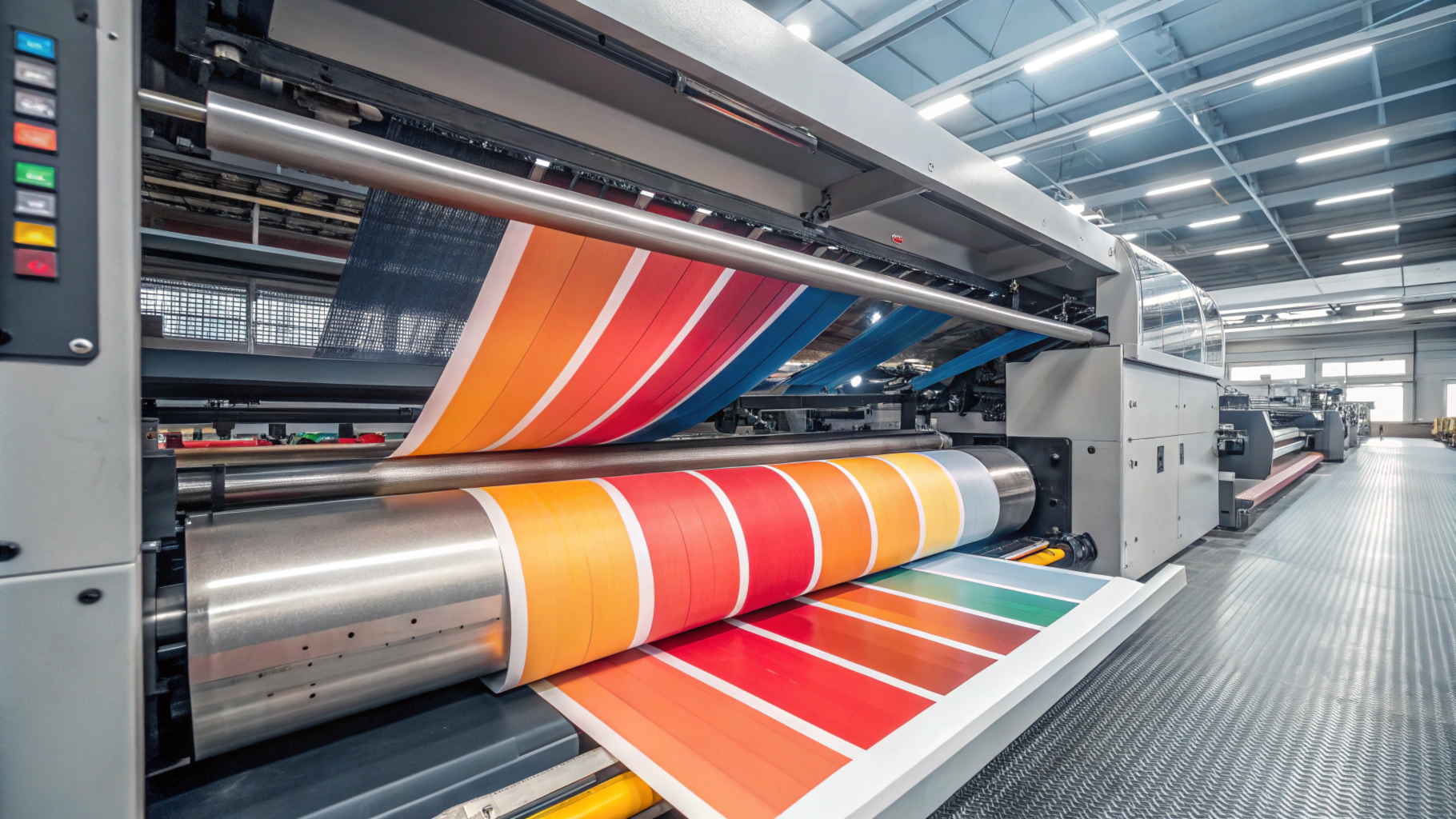
Rotoli Avvolti in Materiali Protettivi
Arrotolare le coperte è un metodo tradizionale.
- Efficiente in termini di spazio: consente di risparmiare spazio di archiviazione.
- Involucro protettivo: Solitamente avvolto in carta kraft o film plastico.
- Facile da maneggiare: Semplifica il carico e lo scarico.
Vantaggi
- Conveniente: Meno materiale di imballaggio necessario.
- Flessibilità: Adatto a varie dimensioni.
Svantaggi
- Potenziale cordonatura: I bordi potrebbero danneggiarsi se non maneggiati con attenzione.
- Protezione limitata: Potrebbe non proteggere da forti impatti.
Confezioni piatte sigillate in plastica
Appiattire le coperte può prevenire l'arricciatura.
- Sigillatura protettiva: Sigillato in plastica per prevenire l'umidità.
- Impilabile: Più facile da impilare e riporre.
Vantaggi
- Previene l'arricciatura: Mantiene la forma della coperta.
- Protezione avanzata: Plastic sealing guards against dust and moisture.
Svantaggi
- Space Consumption: Takes up more storage space.
- Handling Care: Requires careful handling to avoid bending.
Custom-Designed Boxes
Using boxes tailored to the blanket's dimensions.
- Customized Fit: Boxes designed specifically for the product.
- Multiple Layers: Can include foam or padding.
Vantaggi
- Maximum Protection: Guards against physical damage.
- Professional Appearance: Enhances brand image.
Svantaggi
- Higher Cost: More expensive due to custom design.
- Bulkiness: May increase shipping costs.
Comparison Table of Packaging Forms
| Packaging Form | Protection Level | Costo | Storage Efficiency |
|---|---|---|---|
| Rolls | Moderare | Low | Alto |
| Flat Packs | Alto | Moderare | Low |
| Custom Boxes | Very High | Alto | Moderare |
La mia esperienza
I prefer using flat packs for local deliveries because they balance protection and cost. However, for international shipments, custom boxes have saved me from potential damage claims.
Come scegliere il metodo di imballaggio per le coperte adatte al trasporto a lunga distanza?
Long-distance transportation poses unique challenges. You might worry about your products arriving safely. How do you choose the right packaging?
For long-distance transportation, selecting packaging that offers maximum protection like custom-designed boxes with cushioning materials is essential to prevent damage during transit.

Considerations for Long-Distance Transport
Transportation Mode
- Air Freight: Requires lightweight packaging.
- Sea Freight: Needs moisture-resistant materials.
- Land Transport: Must withstand vibrations and shocks.
Climate Conditions
- Fluttuazioni della temperatura: Insulation may be necessary.
- Umidità: Moisture-proof packaging is crucial.
Recommended Packaging Methods
Custom Boxes with Cushioning
- Protection: Foam inserts or bubble wrap absorb shocks.
- Sealants: Waterproof seals prevent moisture ingress.
Vacuum Sealing
- Moisture Protection: Removes air to prevent condensation.
- Space Efficiency: Reduces package size.
H3: Importance of Packaging Standards
Following international packaging standards ensures compliance and safety.
- ISO Standards: Guidelines for packaging and transportation.
- Compliance Labels: Proper labeling for handling instructions.
Case Study: Shipping to a Tropical Climate
When I shipped blankets to a client in a humid region, I used moisture-resistant wrapping inside a custom box. The blankets arrived in perfect condition despite the long journey.
Tips for Long-Distance Packaging
- Use Quality Materials: Don't skimp on packaging quality.
- Insurance: Consider insuring high-value shipments.
- Choose Reputable Carriers: Reliable carriers handle packages better.
Quali sono i requisiti di imballaggio speciali per piccoli lotti di coperte personalizzate?
Packaging small batches can be tricky. You might be dealing with unique sizes or customer-specific requirements. What should you consider?
Small batches of customized blankets require flexible packaging solutions like adjustable boxes or modular padding to accommodate different sizes and protect unique features.

Challenges with Small Batches
- Varied Dimensions: Custom sizes make standard packaging unsuitable.
- Unique Features: Embossing or special coatings may need extra care.
Packaging Solutions
Adjustable Boxes
- Flessibilità: Boxes that can be resized.
- Conveniente: Reduces the need for multiple box sizes.
Modular Padding
- Customized Protection: Foam inserts cut to fit the product.
- Reusability: Can be used for similar future shipments.
H3: Personalized Branding
Adding branding elements enhances customer experience.
- Custom Labels: Include company logo and customer details.
- Thank You Notes: Personal touches can build loyalty.
Quality Control Checks
- Double-Check Contents: Ensure all customized features are correct.
- Photographic Evidence: Take photos before sealing for records.
Il mio approccio
For small custom orders, I involve the customer in the packaging process. I send them options and let them choose what suits their needs. This not only ensures satisfaction but also builds trust.
Quali sono i materiali di imballaggio a prova di umidità per le coperte e quali sono le rispettive caratteristiche?
Moisture can ruin printing blankets. You might be concerned about protecting them from humidity. What materials can help?
Moisture-proof packaging materials include polyethylene bags, vacuum-sealed films, and desiccant packs; each offers different levels of protection against moisture.

Polyethylene Bags
- Characteristics: Durable plastic bags that are waterproof.
- Utilizzo: Commonly used to wrap individual blankets.
- Pros: Cost-effective, readily available.
- Cons: Not breathable, may trap condensation if not sealed properly.
Vacuum-Sealed Films
- Characteristics: Removes air to prevent moisture.
- Utilizzo: Ideal for long-term storage.
- Pros: Excellent moisture protection, reduces oxidation.
- Cons: Requires special equipment, higher cost.
Desiccant Packs
- Characteristics: Small packets containing silica gel or other moisture absorbers.
- Utilizzo: Placed inside packaging to absorb residual moisture.
- Pros: Adds an extra layer of protection.
- Cons: Limited capacity, needs to be replaced regularly.
Comparison Table of Moisture-Proof Materials
| Material | Protection Level | Costo | Ease of Use |
|---|---|---|---|
| Polyethylene Bags | Moderare | Low | Easy |
| Vacuum-Sealed Films | Alto | Alto | Moderare |
| Desiccant Packs | Supplemental | Low | Easy |
Combining Materials for Enhanced Protection
Using a combination can offer better results.
- Bag + Desiccant: Wrap the blanket in a bag with a desiccant inside.
- Vacuum Seal + Box: Vacuum-seal the blanket and place it in a protective box.
My Recommendation
I often use polyethylene bags with desiccant packs for regional shipments. For international or long-term storage, I opt for vacuum sealing to ensure maximum protection.
Nell'ottica della tutela ambientale, quali opzioni innovative esistono per i materiali da imballaggio per la stampa di coperte?
Environmental concerns are growing. You might be looking for eco-friendly packaging options. What's available?
Innovative eco-friendly packaging materials include biodegradable plastics, recycled cardboard, and reusable containers, offering sustainable alternatives without compromising protection.
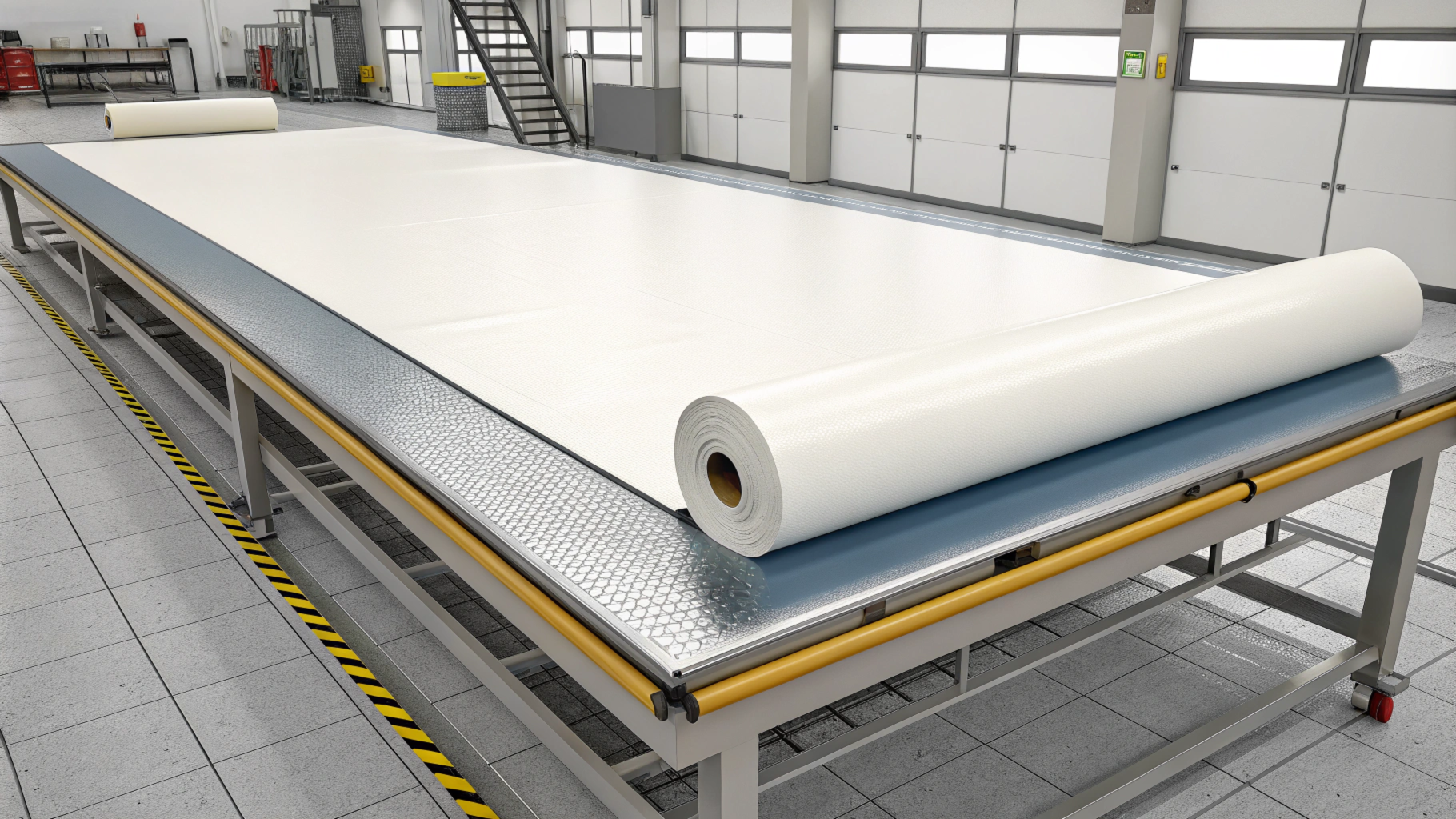
Biodegradable Plastics
- Made From: Plant-based materials like cornstarch.
- Vantaggi: Breaks down naturally, reducing landfill waste.
- Considerations: May have a shorter shelf life.
Recycled Cardboard
- Characteristics: Made from recycled paper products.
- Utilizzo: Boxes and padding materials.
- Pros: Reduces resource consumption, recyclable.
- Cons: May be less durable if not properly treated.
Reusable Containers
- Concept: Durable packaging that can be returned and reused.
- Vantaggi: Reduces waste over time.
- Challenges: Initial cost is higher, requires a return system.
H3: Certifications to Look For
- FSC Certification: Indicates responsible sourcing of materials.
- Compostable Labels: Verifies that materials are compostable under certain conditions.
Case Study: Implementing Eco-Friendly Packaging
I decided to switch to biodegradable plastic bags for local deliveries. Customers appreciated the gesture, and it didn't significantly increase costs. It also aligned with our company's sustainability goals.
Balancing Protection and Sustainability
- Test Materials: Ensure eco-friendly options provide adequate protection.
- Educate Customers: Inform them about the environmental benefits.
Future Innovations
- Edible Packaging: Still in experimental stages.
- Smart Materials: Materiali biodegradabili con proprietà protettive migliorate.
Conclusione
Choosing the right packaging for printing blankets is more than just a logistical concern; it's a crucial part of delivering quality to your customers. From understanding common packaging forms to exploring eco-friendly options, the choices you make can significantly impact both your business and the environment. I've learned that investing time in selecting the appropriate packaging pays off in customer satisfaction and long-term success.