
Have you ever wondered how printers achieve such sharp and consistent images across various materials? The secret lies in the type of printing blanket used. Understanding the classifications of printing blankets can help you make better decisions for your printing needs.
Printing blankets are classified based on their construction, material compatibility, hardness, and environmental impact, each suited for specific printing methods and materials to optimize print quality.
I recall the first time I had to choose a printing blanket for a new project. The options were overwhelming, but learning about the different types made the selection process much easier.
What Are the Main Types of Printing Blankets?
Choosing the right printing blanket can be confusing with so many options available. So, what are the main types of printing blankets?
The main types of printing blankets are conventional blankets, compressible blankets, UV blankets, and adhesive-backed blankets, each designed for specific printing applications and requirements.
Couvertures conventionnelles
These are the traditional blankets used in offset printing.
- Construction: Multi-layered fabric with a rubber surface.
- Applications: Suitable for general-purpose printing on paper and cardstock.
- Avantages: Cost-effective and readily available.
Couvertures compressibles
Designed to accommodate pressure variations.
- Construction: Include a compressible layer with micro air pockets.
- Applications: Ideal for high-speed printing and varying substrate thicknesses.
- Avantages: Improved print quality and reduced dot gain.
Couvertures UV
Specially made for UV ink applications.
- Construction: Resistant to UV inks and chemicals.
- Applications: Used in UV printing processes.
- Avantages: Longer lifespan when using UV inks.
Adhesive-Backed Blankets
Feature an adhesive layer for easy mounting.
- Construction: Thin blanket with adhesive backing.
- Applications: Suitable for flexographic printing and quick changeovers.
- Avantages: Simplifies installation and reduces downtime.
Table: Overview of Printing Blanket Types
| Type | Construction | Applications |
|---|---|---|
| Conventional | Fabric and rubber layers | General offset printing |
| Compressible | Compressible layer included | High-speed, varied substrates |
| UV | UV-resistant materials | UV ink printing |
| Adhesive-Backed | Adhesive layer included | Flexographic, quick changeovers |
My Experience with Different Blankets
When I started experimenting with UV printing, switching to UV blankets made a significant difference. The prints were sharper, and the blankets lasted much longer.
Which Printing Methods Are Suitable for Different Types of Blankets?
Using the wrong blanket for a printing method can lead to poor results. So, which blankets suit which printing methods?
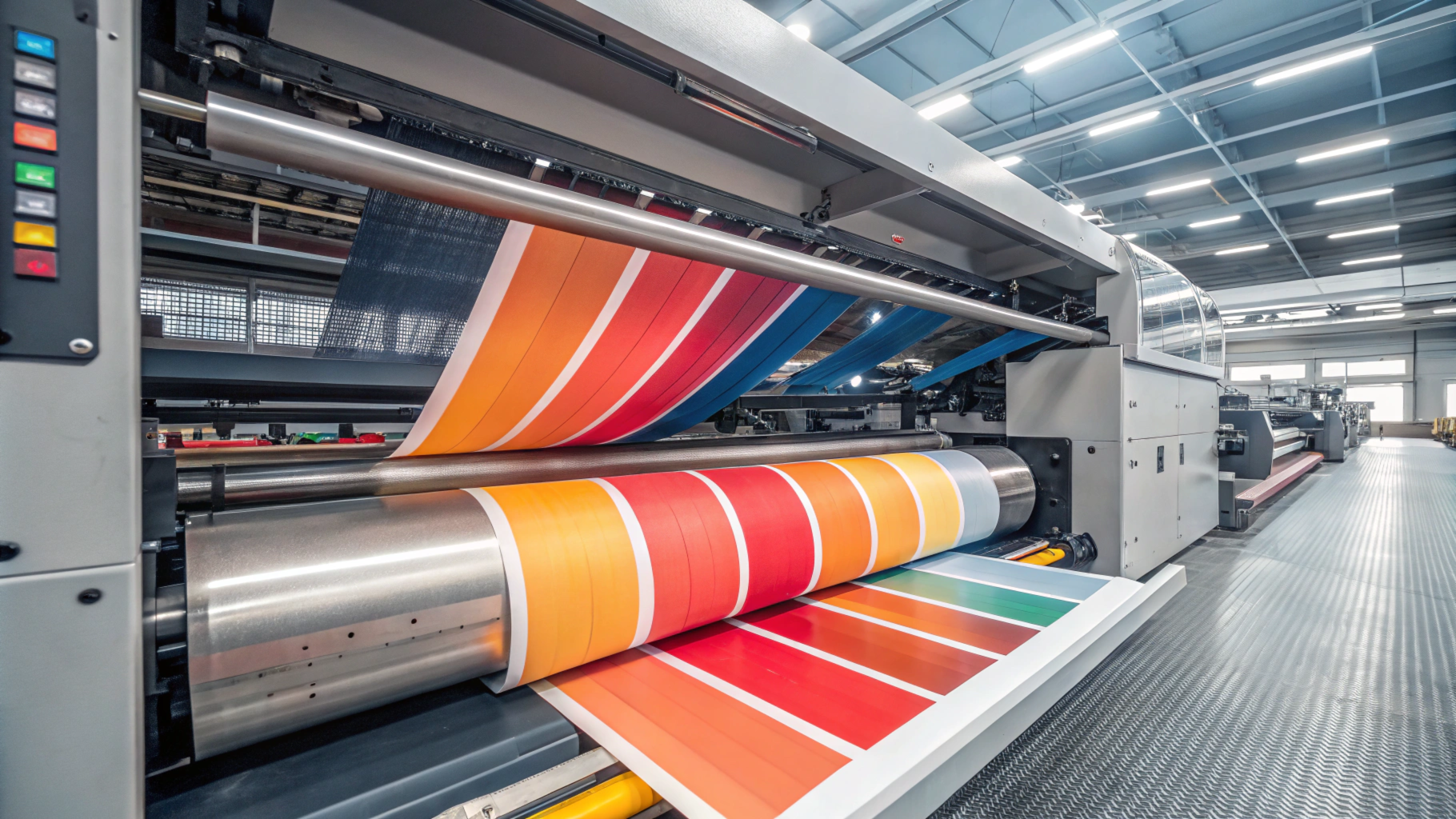
Different printing methods require specific blankets: offset printing uses conventional or compressible blankets, UV printing requires UV blankets, and flexographic printing often uses adhesive-backed blankets.
Offset Printing
- Suitable Blankets: Conventional and Compressible.
- Reason: Need to accommodate pressure and provide even ink transfer.
- Materials Printed On: Paper, cardboard.
UV Printing
- Suitable Blankets: UV Blankets.
- Reason: Resist degradation from UV inks and curing processes.
- Materials Printed On: Plastics, metals, specialty substrates.
Flexographic Printing
- Suitable Blankets: Adhesive-Backed Blankets.
- Reason: Allows for easy mounting on cylinders and quick changes.
- Materials Printed On: Flexible packaging, labels.
Digital Printing
- Suitable Blankets: Specialized Digital Blankets.
- Reason: Designed for high-resolution and variable data printing.
- Materials Printed On: Various, including paper and synthetics.
Matching Blankets to Methods
Understanding the compatibility is crucial.
- Ink Type: Oil-based vs. UV inks require different blankets.
- Substrate: The material being printed affects blanket choice.
- Press Speed: High-speed presses benefit from compressible blankets.
Aperçu personnel
I once tried using a conventional blanket for a UV printing job. The blanket degraded quickly, and the print quality suffered. Switching to a UV blanket solved the problem immediately.
How to Choose the Right Blanket According to the Printing Material?
Selecting a blanket based on the printing material ensures optimal results. So, how do you choose the right one?
To choose the right blanket, consider the substrate's texture, thickness, and ink absorption properties, selecting a blanket that complements these characteristics for optimal ink transfer and print quality.
Factors to Consider
Substrate Texture
- Smooth Surfaces: Use harder blankets for precise image transfer.
- Textured Surfaces: Softer blankets conform better to irregularities.
Substrate Thickness
- Thick Materials: Compressible blankets accommodate variations.
- Thin Materials: Conventional blankets may suffice.
Ink Absorption
- Absorbent Materials: Require blankets that release ink efficiently.
- Non-Absorbent Materials: UV blankets work better with UV inks.
Matching Blankets to Materials
| Matériel | Recommended Blanket | Reason |
|---|---|---|
| Paper | Conventional/Compressible | Standard ink transfer |
| Cardboard | Compressible | Handles thickness variations |
| Plastic Films | UV Blanket | UV ink compatibility |
| Metal Sheets | UV Blanket | Requires chemical resistance |
| Textiles | Specialized Blankets | Accommodate fabric texture |
Testing and Trials
It's often beneficial to conduct tests.
- Sample Runs: Try different blankets on sample materials.
- Consult Suppliers: Get recommendations based on material specs.
Ma recommandation
When printing on unconventional materials, I always perform a test print. This helps me adjust the blanket choice and press settings before starting a full run.
What Is the Impact of the Hardness Difference of the Blanket on the Printing Effect?
Blanket hardness can significantly affect print outcomes. What impact does it have?
The hardness of a printing blanket affects ink transfer, dot gain, and image sharpness; softer blankets conform to substrates better but may reduce sharpness, while harder blankets provide precise images but may not accommodate surface irregularities.
Understanding Blanket Hardness
- Measured in Shore A: A scale indicating rubber hardness.
- Soft Blankets: Lower Shore A value.
- Hard Blankets: Higher Shore A value.
Effects of Soft Blankets
- Avantages:
- Conform to uneven surfaces.
- Better for textured substrates.
- Inconvénients:
- Can lead to increased dot gain.
- May reduce image sharpness.
Effects of Hard Blankets
- Avantages:
- Provide sharp, precise images.
- Ideal for fine details and line work.
- Inconvénients:
- Less forgiving on uneven surfaces.
- May cause incomplete ink transfer on textured materials.
Balancing Hardness and Print Quality
Finding the right hardness is a balance.
- Assess Substrate: Determine if the material is smooth or textured.
- Consider Image Detail: High-detail work may require a harder blanket.
- Adjust Press Settings: Pressure adjustments can compensate for blanket hardness.
Impact Table
| Hardness Level | Best For | Potential Issues |
|---|---|---|
| Soft | Textured substrates | Increased dot gain |
| Moyen | General-purpose printing | Balanced performance |
| Hard | Fine details on smooth surfaces | Poor ink transfer on uneven materials |
Mon expérience
In one project requiring fine text on a textured paper, I struggled with clarity. Switching to a slightly softer blanket improved ink transfer without sacrificing too much detail.
What Are Environmentally Friendly Blankets and What Advantages Do They Have Compared with Traditional Blankets?
With growing environmental concerns, what are eco-friendly blankets, and how do they compare?
Environmentally friendly blankets are made with sustainable materials and processes, reducing harmful chemicals and waste; they offer advantages like lower environmental impact, improved workplace safety, and often comparable performance to traditional blankets.
Features of Environmentally Friendly Blankets
- Sustainable Materials: Use of natural rubber or recycled materials.
- Reduced VOCs: Lower emissions of volatile organic compounds.
- Eco-Friendly Production: Manufacturing processes that minimize waste.
Advantages Over Traditional Blankets
Impact environnemental
- Reduced Pollution: Less chemical runoff and emissions.
- Sustainability: Use of renewable resources.
Workplace Safety
- Healthier Environment: Fewer harmful chemicals for workers.
- Compliance: Meets stricter environmental regulations.
Performance
- Comparable Quality: Many eco-friendly blankets perform as well as traditional ones.
- Innovation: Advances in materials science have closed the performance gap.
Considerations When Switching
- Coût: Eco-friendly options may be more expensive upfront.
- Availability: May not be as widely available.
- Compatibility: Ensure they work with your inks and presses.
Comparison Table
| Aspect | Traditional Blankets | Eco-Friendly Blankets |
|---|---|---|
| Matériels | Synthetic rubber, chemicals | Natural rubber, recycled materials |
| Impact environnemental | Higher VOCs, pollution | Reduced VOCs, sustainable |
| Performance | Proven performance | Comparable, improving |
| Coût | Generally lower | May be higher initially |
My Transition to Eco-Friendly Blankets
I decided to switch to environmentally friendly blankets to reduce my business's ecological footprint. While the initial cost was higher, I found that the performance was on par with traditional blankets. Plus, my clients appreciated the commitment to sustainability.
Conclusion
Understanding the classifications of printing blankets is essential for achieving the best print results. By selecting the appropriate type based on your printing method, material, and desired effect, you can optimize your printing process. Considering factors like blanket hardness and environmental impact further refines your choices. With the right knowledge, you can make informed decisions that benefit both your business and the environment.