
Have you ever wondered how rubber blankets used in printing are made? It's a process that combines art and science to produce a vital component for the printing industry. Understanding these methods can help you appreciate the quality and performance of the products you use.
Rubber blankets are made using processes like compression molding, injection molding, and extrusion, each tailored to produce specific types of blankets with desired properties.
I recall visiting a manufacturing plant where I saw these processes firsthand. The precision and attention to detail were impressive. It made me realize how much effort goes into creating something that seems so simple yet is so essential.
What Are the Commonly Used Processing Technologies When Making Rubber Blankets?
Producing rubber blankets involves various technologies. You might feel overwhelmed by the options and wonder which methods are most prevalent.
The commonly used processing technologies for making rubber blankets are compression molding, injection molding, and extrusion, each offering unique benefits for different applications.
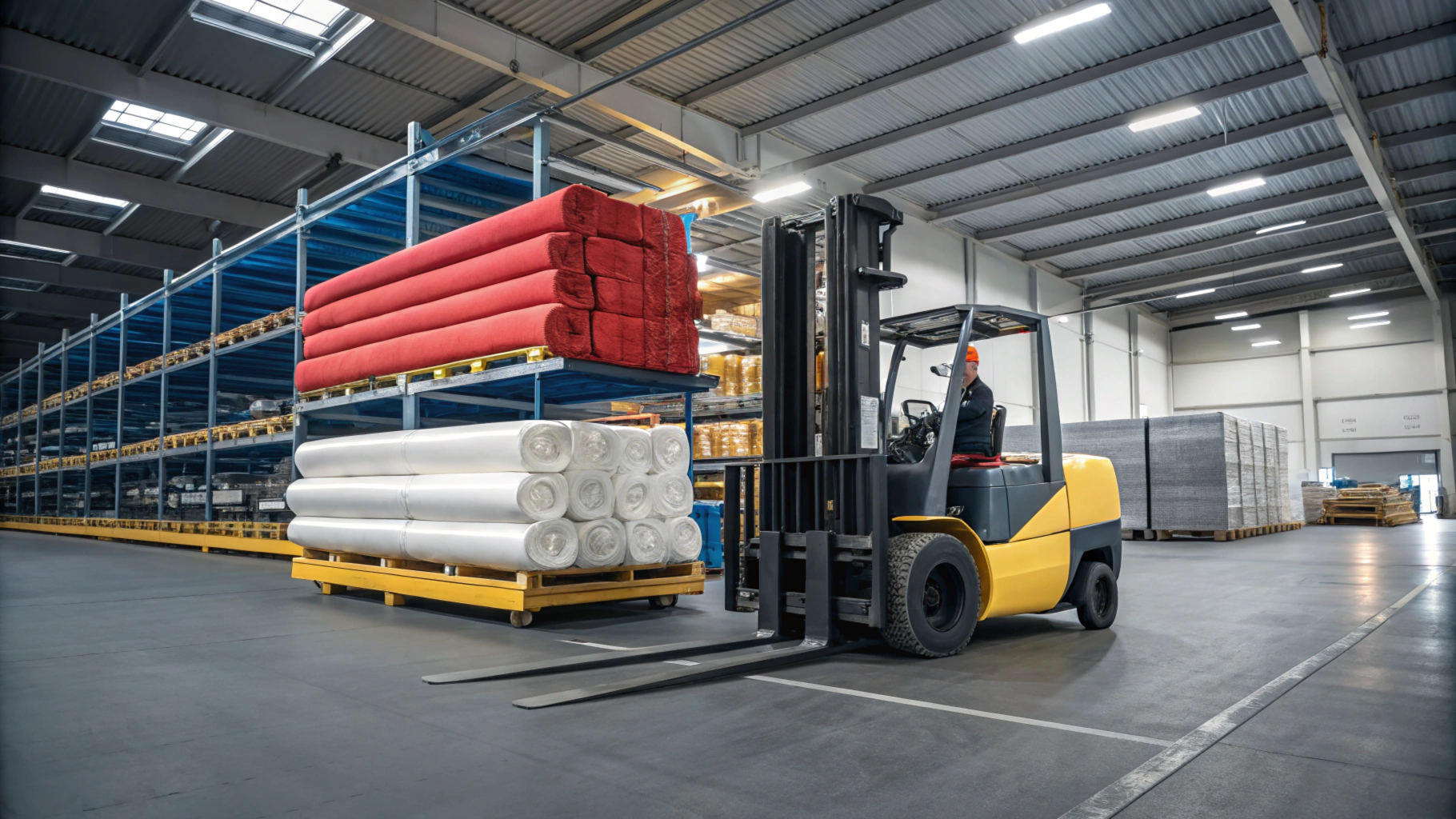
Compression Molding
Compression molding is a traditional method.
- Process: Rubber compound is placed in a heated mold cavity, then compressed to shape.
- Applications: Ideal for large, flat products like rubber blankets.
- Advantages: Cost-effective for medium production volumes.
Injection Molding
Injection molding offers precision.
- Process: Rubber is heated and injected into a mold under high pressure.
- Applications: Suitable for complex shapes and detailed designs.
- Advantages: High efficiency and consistent quality.
Extrusion
Extrusion is used for continuous profiles.
- Process: Rubber is forced through a die to create long, continuous shapes.
- Applications: Produces sheets or strips that can be cut to size.
- Advantages: Excellent for high-volume production.
Table: Comparison of Processing Technologies
| Technology | Best For | Advantages |
|---|---|---|
| Compression Molding | Large, flat products | Cost-effective |
| Injection Molding | Complex shapes | Precision and consistency |
| Extrusion | Continuous profiles | High-volume production |
Personal Insight
Seeing these technologies in action made me appreciate their specific uses. Compression molding's simplicity contrasted with injection molding's precision. Each method has its place, depending on the product requirements.
What Are the Specific Applications of Compression Molding in Rubber Blanket Manufacturing?
You might be curious about why compression molding is chosen for rubber blankets. Understanding its applications can shed light on its importance.
Compression molding is used in rubber blanket manufacturing to create uniform, flat products with consistent thickness, making it ideal for producing high-quality printing blankets.

Advantages of Compression Molding
Uniform Thickness
- Consistency: Ensures the blanket has even thickness throughout.
- Quality Printing: Uniform thickness leads to better print quality.
Cost-Effectiveness
- Economical for Medium Volumes: Suitable for production runs that aren't large enough for injection molding.
- Lower Tooling Costs: Molds are simpler and cheaper to produce.
Process Steps
- Material Preparation: Rubber compound is prepared and preheated.
- Mold Loading: Material is placed into the mold cavity.
- Compression: Mold is closed, and pressure is applied.
- Curing: Heat and pressure are maintained to cure the rubber.
- Demolding: Finished product is removed.
Specific Applications
- Printing Industry: Producing rubber blankets for offset printing presses.
- Industrial Uses: Creating vibration dampening pads and seals.
H3: Quality Control in Compression Molding
Maintaining quality is essential.
- Temperature Monitoring: Ensures proper curing.
- Pressure Control: Guarantees uniform density.
- Timing: Accurate curing time prevents defects.
My Experience with Compression Molding
I once collaborated with a manufacturer using compression molding for rubber blankets. The process allowed for customization in thickness and hardness, meeting specific client needs without excessive costs.
What Are the Advantages and Disadvantages of Injection Molding Compared to Compression Molding in Rubber Blanket Production?
Choosing between injection and compression molding can be challenging. You might wonder which method is better suited for your needs.
Injection molding offers precision and efficiency but comes with higher tooling costs, while compression molding is more cost-effective for simpler designs but may lack the detail and consistency of injection molding.
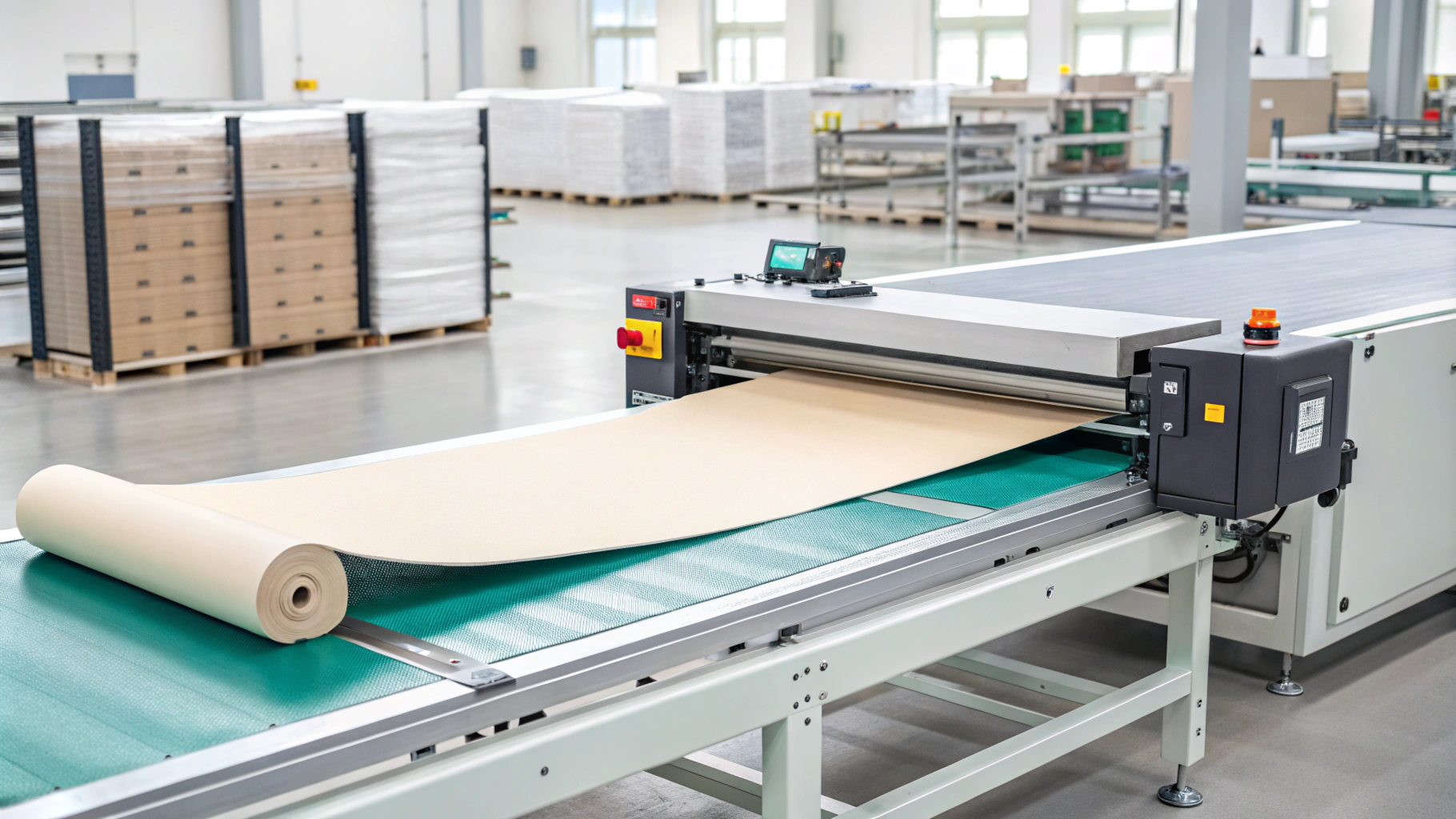
Advantages of Injection Molding
Precision and Consistency
- High Accuracy: Produces parts with tight tolerances.
- Repeatability: Consistent quality across large volumes.
Efficiency
- Fast Production: Shorter cycle times increase output.
- Automation Potential: Reduces labor costs.
Disadvantages of Injection Molding
Higher Tooling Costs
- Expensive Molds: Requires investment in complex molds.
- Not Cost-Effective for Small Runs: Better suited for large production volumes.
Comparison Table: Injection vs. Compression Molding
| Aspect | Injection Molding | Compression Molding |
|---|---|---|
| Precision | High | Moderate |
| Tooling Costs | High | Low |
| Production Volume | Large | Small to Medium |
| Cycle Time | Short | Longer |
| Complexity | Handles complex designs | Best for simple shapes |
When to Choose Injection Molding
- Large Production Runs: Justifies the higher tooling costs.
- Complex Designs: Requires detailed features or tight tolerances.
- Material Efficiency: Less waste compared to compression molding.
Personal Experience
In a project requiring high-precision rubber components, injection molding was the clear choice. Despite the higher initial costs, the efficiency and quality justified the investment.
What Kind of Rubber Blanket Products Are Suitable for Extrusion Molding?
Extrusion molding might seem less common for rubber blankets. You might be curious about its specific applications.
Extrusion molding is suitable for producing continuous rubber sheets or strips used in rubber blankets, especially when large quantities and consistent cross-sections are required.
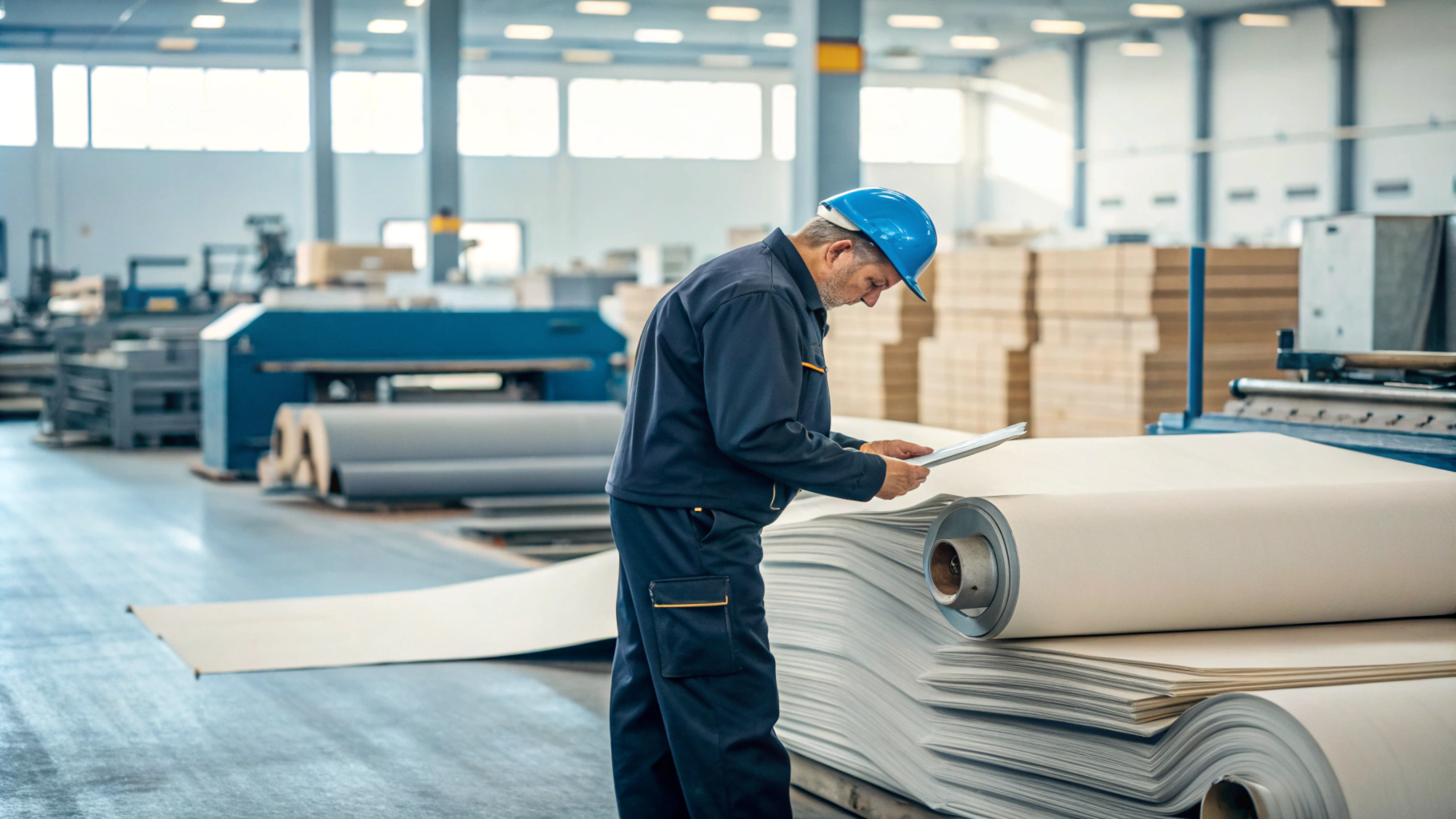
How Extrusion Molding Works
- Material Feeding: Rubber compound is fed into an extruder.
- Heating and Pressurizing: Material is heated and pressurized.
- Shaping: Forced through a die to create the desired profile.
- Cooling: Extruded material is cooled to retain shape.
- Cutting: Continuous profile is cut into desired lengths.
Suitable Products
- Rubber Sheets: Used as base material for blankets.
- Strips and Rolls: Can be layered or combined in further processing.
- Standardized Sizes: Ideal for products with consistent dimensions.
Advantages of Extrusion Molding
High Volume Production
- Efficiency: Continuous process suitable for large quantities.
- Cost-Effective: Lower production costs per unit.
Consistent Cross-Sections
- Uniformity: Maintains consistent shape and size along the length.
- Customization: Different dies can create various profiles.
Limitations
- Complex Shapes: Not suitable for intricate designs.
- Surface Finish: May require additional processing for smoothness.
H3: Post-Extrusion Processes
Extruded products often undergo further processing.
- Calendaring: Smooths and thins the material.
- Lamination: Layers are combined to create desired thickness.
My Observations
I visited a facility where extrusion molding was used to produce base materials for rubber blankets. The efficiency was remarkable, and the ability to produce large quantities kept costs low.
How to Improve the Surface Characteristics and Physical Properties of Rubber Blankets Through Different Post-Processing Processes?
Enhancing the final product is often necessary. You might wonder how post-processing can achieve this.
Post-processing methods like surface grinding, polishing, coating, and vulcanization improve the surface characteristics and physical properties of rubber blankets, enhancing their performance in specific applications.
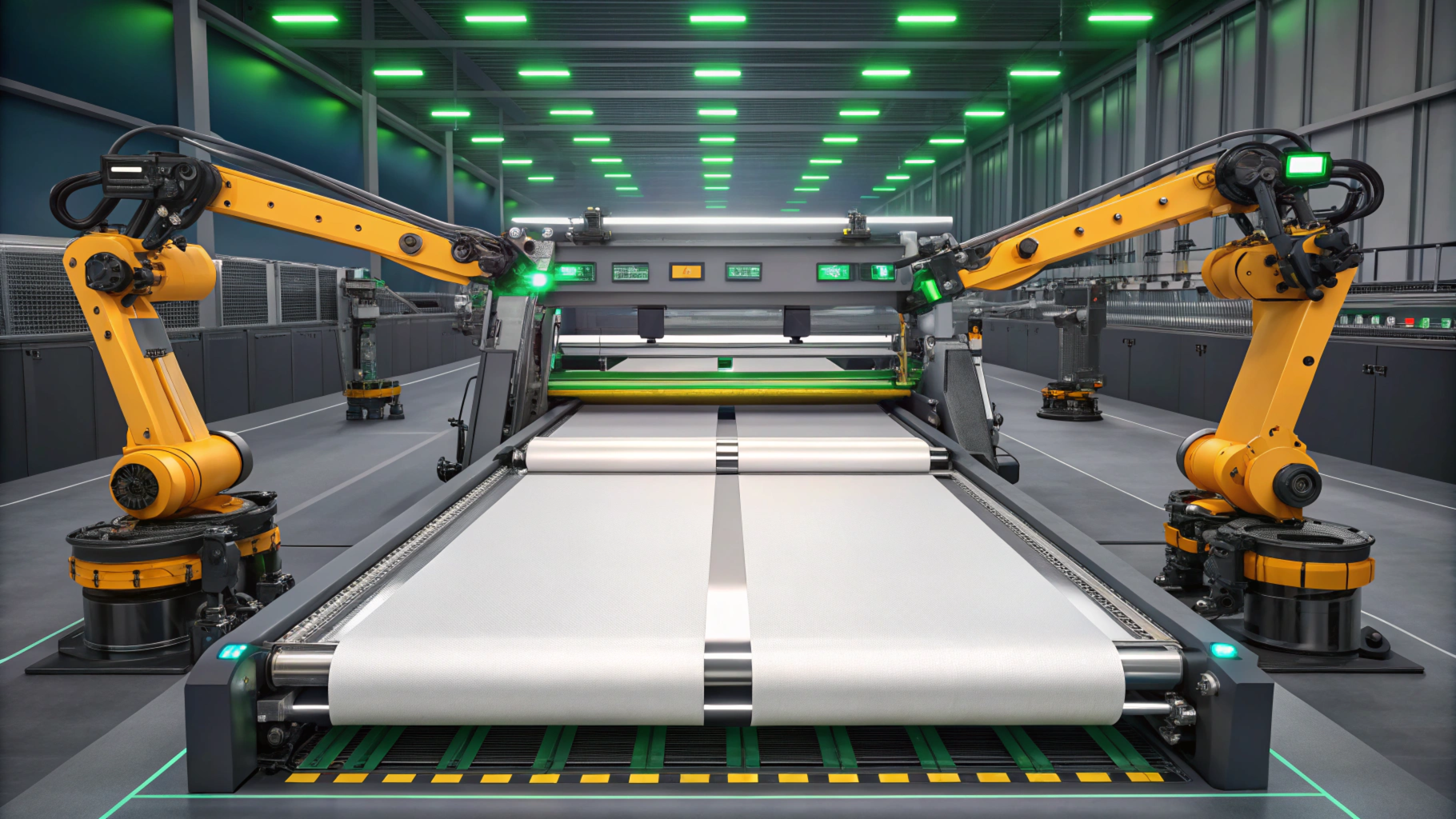
Surface Grinding and Polishing
Purpose
- Smooth Surface: Improves contact with substrates.
- Uniform Thickness: Ensures consistent print quality.
Process
- Grinding: Removes imperfections and levels the surface.
- Polishing: Provides a smooth, finished appearance.
Coating Applications
Types of Coatings
- Protective Coatings: Resist chemicals and abrasion.
- Functional Coatings: Enhance ink compatibility.
Benefits
- Extended Lifespan: Protects against wear and tear.
- Improved Performance: Tailors surface properties to specific needs.
Vulcanization
Role in Post-Processing
- Final Curing: Enhances elasticity and strength.
- Stabilization: Locks in desired physical properties.
Heat Treatment
- Stress Relief: Reduces internal stresses from molding.
- Dimensional Stability: Maintains shape under operating conditions.
Table: Post-Processing Methods and Their Effects
| Method | Effect on Properties |
|---|---|
| Surface Grinding | Smoothness, uniformity |
| Polishing | Surface finish, appearance |
| Coating | Chemical resistance, functionality |
| Vulcanization | Elasticity, strength |
| Heat Treatment | Stability, stress relief |
H3: Combining Processes for Optimal Results
Often, multiple post-processing steps are used.
- Sequential Processing: Each step builds on the previous one.
- Customized Solutions: Tailored to specific application requirements.
Personal Insight
In one of my projects, applying a specialized coating to the rubber blanket significantly improved its resistance to UV inks. This extended the product's life and enhanced print quality.
Conclusion
Understanding the methods for making rubber blankets reveals the complexity and precision involved in producing these essential products. From choosing the right processing technology to enhancing the final product through post-processing, each step plays a vital role. By selecting the appropriate methods and techniques, manufacturers can produce rubber blankets that meet specific needs and deliver optimal performance.